
Are you looking for the best way to nourish your feline friend? Wet cat food might be the answer you’ve been searching for.
Packed with moisture and flavor, it can make mealtime a delight for your cat while providing essential nutrients. But is wet cat food really the best choice for your pet? We’ll dive deep into the benefits of wet cat food, how it can impact your cat’s health, and tips on choosing the right brand.
You’ll discover why many cat owners swear by it and how it can transform your cat’s eating habits. Keep reading to find out everything you need to know for your furry companion!
Benefits Of Wet Cat Food
Wet cat food offers several advantages for your feline friend. It helps keep cats healthy and happy. Let’s explore the key benefits of choosing wet cat food.
Hydration Support
Wet cat food has high moisture content. This helps keep your cat hydrated. Cats often do not drink enough water. Wet food provides a tasty way to get needed fluids.
Nutrient Density
Wet cat food is packed with nutrients. It usually contains high-quality proteins and fats. Cats require these for energy and overall health. A balanced diet helps maintain a healthy weight.
Improved Palatability
Most cats love the taste of wet food. Its rich flavors appeal to picky eaters. Offering wet food can entice your cat to eat more. This is especially helpful for older cats or those with health issues.
Key Ingredients To Look For
Choose wet cat food with high-quality proteins, like chicken or fish. Look for healthy fats, vitamins, and minerals. Avoid artificial flavors and preservatives. These ingredients support your cat’s health and happiness.
Choosing the right wet cat food for your feline friend involves more than just picking a shiny can off the shelf. It’s essential to understand the key ingredients that can impact your cat’s health and happiness. Let’s break down the vital components to look for when selecting wet cat food.High-quality Proteins
Cats are obligate carnivores, meaning they thrive on a protein-rich diet. Look for wet cat food that lists high-quality protein sources as the first ingredient. – Meat: Chicken, turkey, or beef should be prominent. – Fish: Salmon or tuna can provide omega fatty acids. Avoid products with vague terms like “meat by-products.” These can include low-quality ingredients that your cat doesn’t need. Consider your cat’s preferences too. My own cat, Bella, turns her nose up at anything without real meat listed first. Trust me; quality protein makes all the difference.Essential Vitamins And Minerals
Vitamins and minerals are crucial for your cat’s overall health. They support their immune system, skin, and coat health. Look for: – Taurine: This amino acid is essential for heart health. – Vitamins A, D, and E: These vitamins help with vision, bone health, and skin. A well-rounded wet food should also contain minerals like calcium and phosphorus to support strong teeth and bones. If you notice a brand lacking these essentials, it might be time to switch. Have you ever noticed a change in your cat’s energy levels with a diet shift? It’s amazing how the right nutrients can boost their vitality.Grain-free Options
Grain-free wet cat food has gained popularity for a reason. Many cats can have sensitivities to grains like corn or wheat, leading to digestive issues. Choosing grain-free options can help: – Reduce Allergies: Fewer fillers mean less chance of allergic reactions. – Enhanced Digestion: Cats often digest protein better without grains. Look for brands that focus on real ingredients, like vegetables and fruits, for added fiber. Ask yourself: Is your cat thriving on their current diet? If not, it might be worth considering a grain-free option. Reading labels carefully will empower you to make informed decisions for your cat’s meals. Take the time to find wet cat food that meets these key ingredient criteria, and watch your furry companion flourish!Tailoring To Your Cat’s Needs
Choosing the right wet cat food is essential for your feline friend’s health and happiness. Tailoring your cat’s diet to their specific needs ensures they receive the best nutrition possible. With so many options available, understanding these needs can help you make informed decisions.
Age-specific Formulas
Cats have unique nutritional requirements at different life stages. Kittens need higher protein and fat levels for growth and energy. Adult cats benefit from balanced nutrition to maintain a healthy weight and energy levels.
Senior cats often require formulas with added joint support and lower calories. You might notice your older cat becoming less active; this is a sign they may need a diet that supports their changing metabolism. Look for wet food specifically labeled for seniors to ensure they get the right nutrients.
Special Dietary Requirements
Some cats have specific health issues that require special diets. If your cat has allergies, consider grain-free wet food options. Cats with urinary tract issues may benefit from formulas designed to support urinary health.
Consult your veterinarian if you suspect your cat has dietary sensitivities. They can recommend the best wet food options tailored to your cat’s needs. When I switched my cat to a hypoallergenic diet, I noticed a significant improvement in her coat and energy levels.
Weight Management Solutions
Maintaining a healthy weight is crucial for your cat’s overall well-being. Wet cat food can be a great solution for weight management as it often has fewer calories per volume than dry food. You can control portions more easily with wet food, which helps prevent overeating.
Choose low-calorie formulas that are high in protein to help your cat feel fuller longer. Regularly monitor your cat’s weight and adjust feeding portions accordingly. Have you noticed a change in your cat’s activity level? This could be a sign to reassess their diet.
Tailoring your cat’s wet food to their specific needs not only enhances their health but also contributes to their happiness. Take the time to evaluate your cat’s age, health conditions, and weight to find the best options available. Your cat deserves the best nutrition possible, and you play a crucial role in providing it.
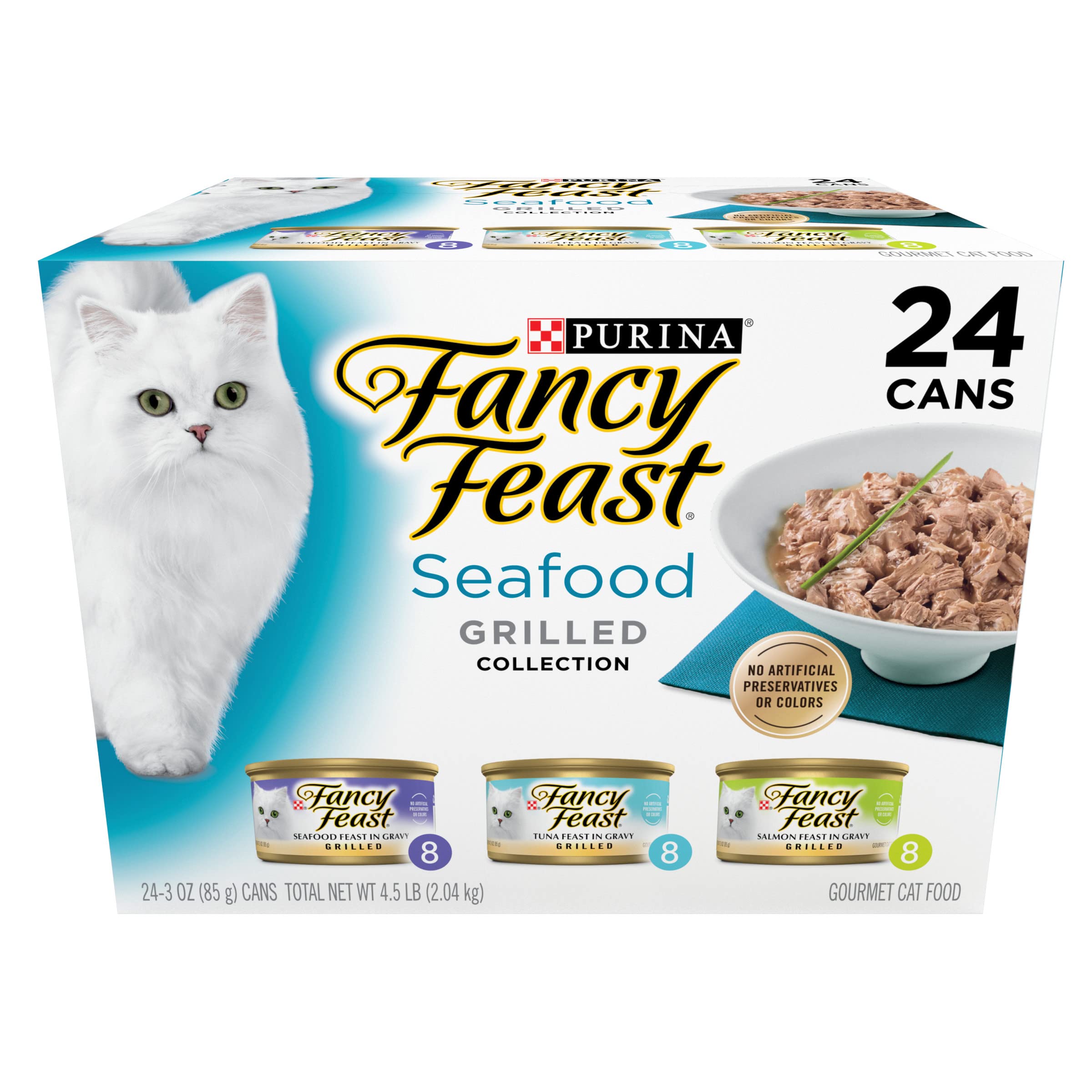
Credit: www.amazon.com
Common Myths About Wet Cat Food
Many cat owners have questions about wet cat food. Some myths cause confusion. Let’s clear up some common misconceptions.
Tooth Health Concerns
One big myth is that wet cat food harms dental health. Some believe it leads to plaque buildup. In reality, dental health depends on more than just food type.
Dry food can also cause dental issues. Cats need regular dental care. Chewing toys and vet check-ups help keep teeth healthy.
Preservatives And Additives
Another myth claims all wet cat food contains harmful preservatives. While some brands use preservatives, many do not. Many wet foods use natural ingredients.
Reading labels helps you choose wisely. Look for brands with high-quality ingredients. Opt for those without artificial additives.
Cost Vs. Value
Some people think wet cat food is too expensive. They compare it to dry food prices. Wet food may cost more per can, but it offers benefits.
Wet food provides hydration and better nutrition. It can lead to fewer vet visits. Investing in good food may save money in the long run.
How To Transition To Wet Food
Transitioning to wet cat food can be smooth and easy. Start by mixing a small amount of wet food with the current dry food. Gradually increase the wet food over several days. This helps your cat adjust to the new texture and flavor without stress.
Transitioning your cat to wet food can be a rewarding experience for both you and your feline friend. Many cats thrive on wet food due to its moisture content and palatability. However, making this change requires careful planning to ensure a smooth adjustment. Here are some strategies to help your cat embrace their new dining experience.Gradual Introduction Tips
Start by introducing wet food slowly. Begin with a small amount mixed with their current dry food. Aim for a ratio of 75% dry food to 25% wet food at first. Over a week or two, gradually increase the wet food portion. This gradual change helps prevent digestive upset and allows your cat to get used to the new texture and flavor. Consider warming the wet food slightly. A few seconds in the microwave can enhance the aroma, making it more enticing for your cat. You know your cat best—some may need a more extended transition period, while others might adapt quickly.Mixing Wet And Dry Food
Mixing wet and dry food can be an effective strategy. You can create a more appealing meal by combining the two. Start with a small amount of wet food in their usual dry food. As your cat shows interest, gradually increase the wet food while decreasing the dry. Watch for any signs of rejection. If your cat ignores the bowl, try a different flavor or brand of wet food. Cats can be picky, so don’t hesitate to experiment until you find what they love.Monitoring Your Cat’s Response
Pay attention to how your cat reacts during the transition. Look for signs of enjoyment, such as purring or finishing their meal quickly. If your cat seems hesitant, try different textures or flavors. Keep an eye on their litter box habits. A sudden change in diet can affect digestion, leading to either constipation or diarrhea. If you notice any concerning symptoms, consult your veterinarian. Engaging with your cat during mealtime can strengthen your bond. Try feeding them in a quiet space and observe their eating behavior. This interaction can provide insight into their preferences and help you adjust their diet accordingly. What has been your experience when changing your pet’s diet?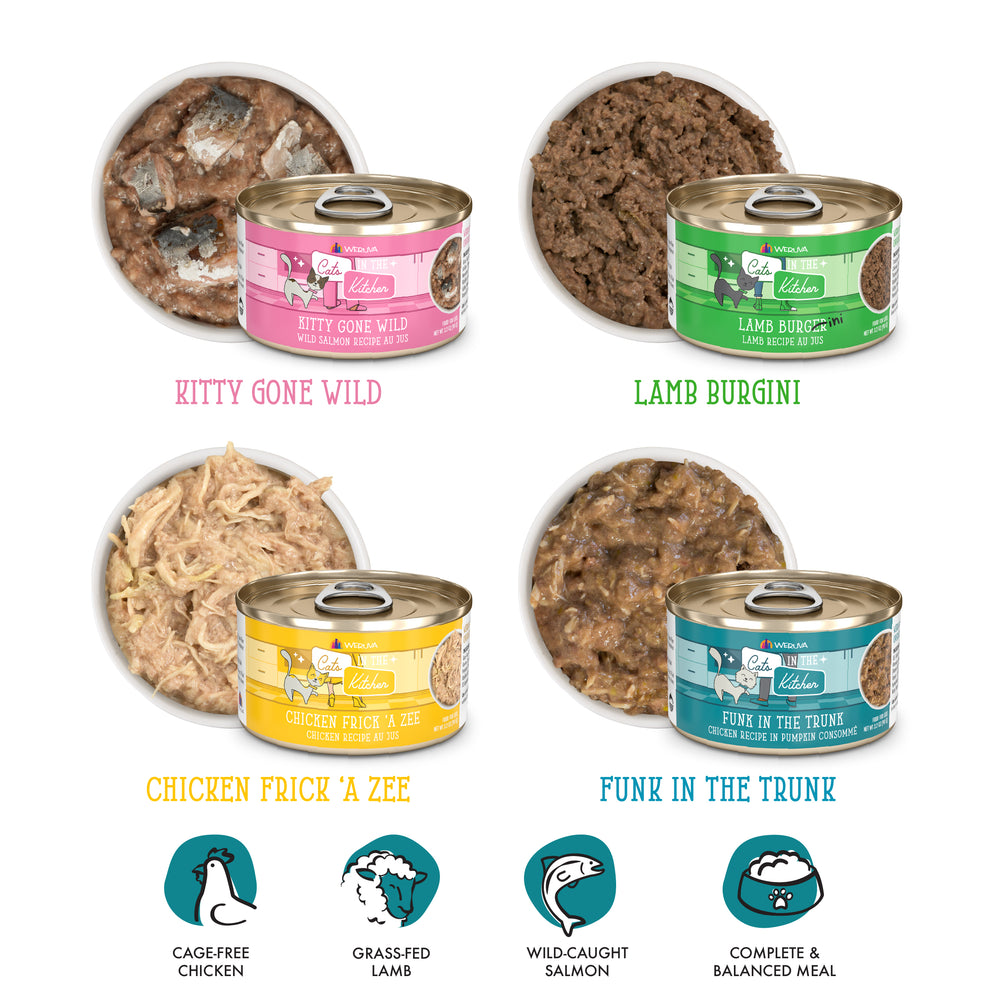
Credit: www.weruva.com
Storage And Serving Tips
Store wet cat food in the fridge after opening. Use an airtight container to keep it fresh. Always serve it at room temperature for the best taste. Discard any leftovers after 24 hours to ensure your cat’s health.
Storing and serving wet cat food properly can enhance your cat’s dining experience and maintain the food’s quality. Many pet owners overlook the importance of these aspects, often leading to wasted food or less-than-ideal meals for their furry friends. Here are some essential tips to keep in mind.Proper Storage Techniques
Store opened wet cat food in an airtight container. This prevents spoilage and keeps the food fresh. If you don’t have a dedicated container, use plastic wrap to tightly cover the can. Place the container in the refrigerator. Wet food should not be left out for more than two hours at room temperature, as it can lead to bacteria growth. Check expiration dates regularly. Discard any food that has passed its date. Always prioritize your cat’s health.Ideal Portion Sizes
Serving the right amount of food is crucial. Most cats eat about 1/2 to 3/4 of a can per meal, depending on their size and activity level. Use a measuring cup for accuracy. This helps you avoid overfeeding or underfeeding your pet. Remember, it’s better to start with a smaller portion and add more if needed. Consider your cat’s specific needs. Older cats or those with health issues may require different portion sizes. Consult your vet if you are unsure.Serving Temperature Recommendations
Cats often prefer their food at room temperature. Cold food straight from the fridge can be unappealing. To warm up wet food, simply let it sit out for 30 minutes before serving. You can also place the food in a microwave for a few seconds, but make sure to stir it well to avoid hot spots. Observe your cat’s reaction. If they seem more enthusiastic about their meals when served warm, stick with that routine. A little extra effort can make a big difference in your cat’s enjoyment. What changes will you make in your cat feeding routine today? Your cat deserves the best, and small adjustments can lead to big improvements.Choosing The Best Brand
Choosing the best brand of wet cat food is important for your pet’s health. Look for options with high-quality ingredients and balanced nutrition. Reading reviews can help you find the right choice for your furry friend. Make sure the food meets your cat’s specific needs.
Choosing the best brand of wet cat food can feel overwhelming. With so many options on the market, how do you know which ones are truly beneficial for your feline friend? Your cat’s health and happiness depend on the quality of their food, making it essential to make informed choices.Reputable Manufacturers
Start by looking for brands with a solid reputation in the pet food industry. Well-known manufacturers often have rigorous quality control measures in place. Brands like Royal Canin, Hill’s Science Diet, and Wellness have earned trust over the years. Research their history and commitment to pet nutrition. Companies that invest in research and development typically produce higher-quality products. You want to choose a brand that prioritizes your pet’s well-being above all else.Reading Ingredient Labels
Understanding ingredient labels is crucial. Look for high-quality protein sources at the top of the list. Ingredients like chicken, beef, or fish should be the first item mentioned. Avoid brands that list fillers such as corn, soy, or artificial preservatives. These ingredients provide little nutritional value and can even upset your cat’s stomach. Did you know that some brands include beneficial additives? Ingredients like omega fatty acids support skin and coat health. Always prioritize natural ingredients that contribute to your cat’s overall health.Customer Reviews And Recommendations
Customer reviews can be enlightening. Reading about other cat owners’ experiences can guide your decision. Look for feedback on both the product’s quality and its palatability. Check pet food review websites for expert opinions. Many of these sites provide detailed analysis and ratings. Have you ever noticed how some cats turn their noses up at certain foods? Your cat might have specific preferences that differ from others. Pay attention to reviews mentioning taste and texture, as these factors can significantly influence your cat’s enjoyment of their meals. Choosing the right wet cat food brand doesn’t have to be complicated. Focus on reputable manufacturers, read labels carefully, and consider customer insights. Your cat deserves the best, and a little research can go a long way in ensuring their happiness and health.
Credit: www.amazon.com
Frequently Asked Questions
What Are The Benefits Of Wet Cat Food?
Wet cat food offers numerous benefits, including increased hydration. Cats often don’t drink enough water, and wet food helps with fluid intake. It’s also more palatable, making it easier for picky eaters to enjoy their meals. Additionally, it can provide better nutrition due to higher protein content.
How Often Should I Feed My Cat Wet Food?
Feeding your cat wet food can vary by age and health. Generally, adult cats can have wet food once or twice daily. Kittens may need more frequent feedings due to higher energy needs. Always consult your veterinarian for personalized feeding recommendations based on your cat’s specific requirements.
Is Wet Food Better Than Dry For Cats?
Wet food is often considered better than dry food for cats. It contains more moisture, which aids hydration and kidney health. Wet food can also be easier to digest and may reduce the risk of urinary tract issues. However, a balanced diet may include both wet and dry options.
Can I Mix Wet And Dry Cat Food?
Yes, you can mix wet and dry cat food. This combination provides the benefits of both types. It can enhance taste and texture, making meals more appealing. Always ensure that the total calorie intake meets your cat’s dietary needs to avoid overfeeding.
Conclusion
Wet cat food offers many benefits for your furry friend. It provides hydration, which is essential for their health. Cats enjoy the taste and texture, making mealtime more appealing. Choosing high-quality options ensures balanced nutrition. Pay attention to ingredients for the best choices.
Regularly feeding wet food can improve your cat’s overall well-being. Always consult your vet for personalized advice. A happy cat means a happy home. Make informed choices to keep your pet healthy and satisfied.


