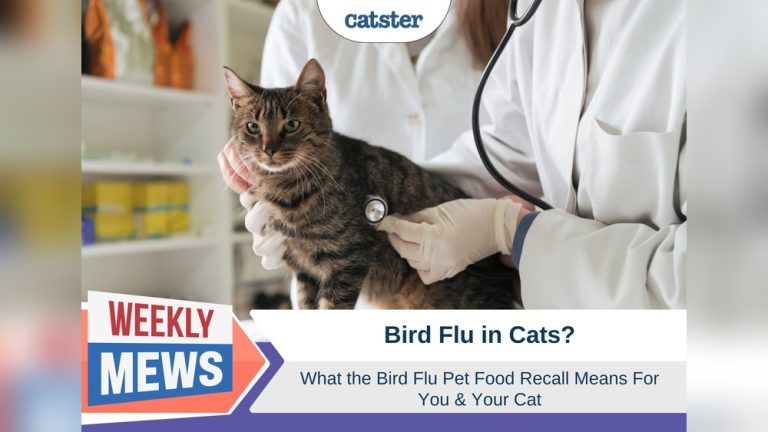

When it comes to your cat’s health, the food you choose is crucial. Unfortunately, not all cat food is safe.
Cat food recalls happen more often than you might think, and they can pose serious risks to your furry friend. Imagine the worry of finding out that the brand you trust has issued a recall due to contamination or harmful ingredients.
You want the best for your cat, and being informed is the first step in protecting them. We’ll dive into the latest cat food recalls, what they mean for you and your pet, and how to stay ahead of potential dangers. You’ll learn how to read labels, recognize warning signs, and what to do if your cat’s food is affected. Don’t leave your cat’s health to chance—read on to ensure you’re making the safest choices for your beloved companion.
:max_bytes(150000):strip_icc():focal(725x433:727x435)/cat-food-recall-122624-990669e69a0d4cce8bf50aca48f1a47e.jpg)
Credit: people.com
Common Reasons For Cat Food Recalls
Understanding the common reasons behind cat food recalls can help you make safer choices for your feline friend. Recalls often stem from serious issues that can affect your cat’s health. Let’s dive into the primary causes of these recalls so you can stay informed.
Contamination Risks
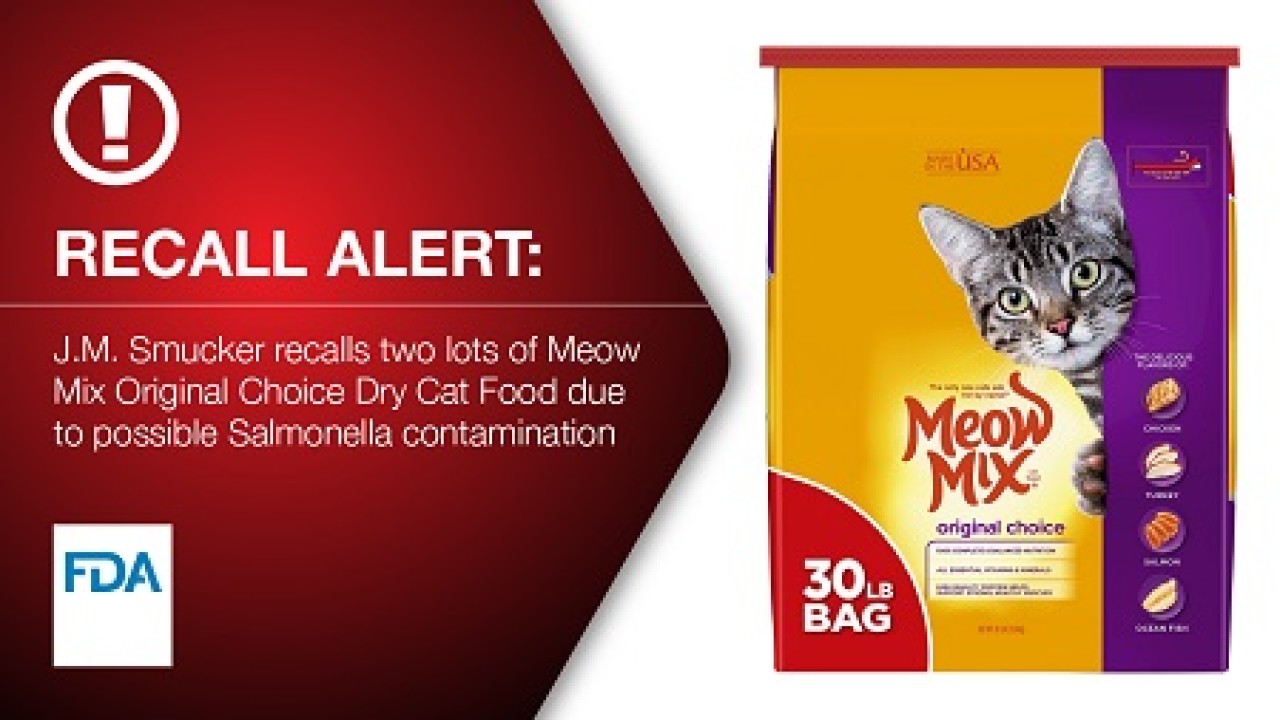
Contamination is one of the leading causes of cat food recalls. Bacterial contamination, such as Salmonella or E. coli, can pose serious health risks to both cats and their owners. Even small traces of these harmful bacteria can lead to illness.
Remember the time you heard about a popular cat food brand recalling its products due to contamination? It serves as a wake-up call. Always check for any alerts related to your cat’s food brand.
Nutritional Imbalances
Nutritional imbalances can also trigger recalls. If a product lacks essential nutrients or contains harmful levels of certain ingredients, it can endanger your cat’s health. Cats require specific nutrients, and any deviation from their dietary needs can lead to severe health issues.
Imagine noticing your cat acting lethargic or having digestive problems. These could be signs of nutritional deficiencies linked to their food. Keeping an eye on the nutrient content of your cat’s diet is crucial.
Packaging Issues
Packaging issues are another common reason for recalls. Sometimes, the packaging may fail to keep the food fresh or may allow contaminants to enter. A damaged seal or incorrect labeling can lead to serious consequences.
Have you ever opened a bag of cat food only to find it was not sealed properly? Such issues can compromise the safety of the food inside. Always inspect packaging before you purchase or use it.
Stay vigilant and informed about cat food recalls. Your cat’s health depends on the quality and safety of their food. What steps will you take to ensure your cat is eating safely?
Signs Your Cat’s Food May Be Unsafe
Cat food recalls can happen for many reasons. It’s crucial to know the signs of unsafe food. Identifying these signs early can help keep your cat healthy. Pay attention to changes in your cat’s food and behavior.
Unusual Smell Or Texture
Your cat’s food should smell fresh and appealing. A bad odor can indicate spoilage or contamination. Check for a change in texture too. Crumbly, sticky, or watery food may not be safe.
Changes In Your Cat’s Behavior
Watch your cat’s behavior closely. Sudden changes can be a red flag. If your cat refuses to eat, it might signal a problem. Increased agitation or lethargy can also be signs of unsafe food.
Health Symptoms To Watch For
Monitor your cat for any health symptoms. Vomiting or diarrhea can indicate food issues. Look for signs of dehydration or weight loss. These symptoms may require a vet visit.
How To Check For Current Recalls
Staying informed about cat food recalls is important. Knowing how to check for updates can keep your pet safe. Here are some reliable ways to find current recall information.
Reliable Sources For Updates
Use trusted websites for the latest recall news. The U.S. Food and Drug Administration (FDA) has a dedicated section for pet food recalls. The American Veterinary Medical Association (AVMA) also provides updates. Local news websites may cover significant recalls as well. Check these sources regularly to stay informed.
Using Online Databases
Online databases are great tools for checking recalls. Websites like PetMD and the FDA offer searchable databases. You can find specific brands or products easily. Enter the brand name and see if there are any alerts. These databases provide quick access to vital information.
Contacting Manufacturers Directly
Reaching out to manufacturers can provide clear answers. Most brands have customer service numbers or email addresses. Ask them if there are any recalls on their products. They may offer you the most accurate and timely information. Always verify the safety of the food you buy.
Steps To Take During A Recall
Cat food recalls can be stressful. Knowing what to do helps keep your cat safe. Follow these steps during a recall to ensure your pet’s well-being.
Removing Affected Products
First, check the recall list. Identify if your cat food is included. Remove any affected products from your home.
Dispose of them safely. Do not feed them to your cat. This prevents health risks.
Seeking Veterinary Advice
Contact your veterinarian. Discuss your cat’s health and any symptoms. Your vet can provide guidance on next steps.
They may recommend tests or dietary changes. Stay informed about your cat’s condition.
Reporting Issues To Authorities
If you notice any health issues, report them. Contact the Food and Drug Administration (FDA). They track pet food safety.
Share your experience. This helps others stay informed. Your input can prevent future problems.
Choosing Safer Cat Food Options
Finding safe cat food is important for your pet’s health. Many brands face recalls. Knowing how to choose safer options helps you avoid these risks. Focus on reading labels, researching brands, and considering homemade diets.
Reading Ingredient Labels
Start by checking ingredient labels. Ingredients are listed in order. Look for high-quality proteins like chicken or fish. Avoid foods with too many fillers. Fillers may include corn, wheat, and soy. These do not provide much nutrition.
Watch for artificial additives. These can harm your cat’s health. Choose natural ingredients whenever possible. Look for foods with clear, simple labels. The shorter the list, the better. This often means fewer chemicals and preservatives.
Researching Brands
Take time to research cat food brands. Look for companies with a good reputation. Read customer reviews and ratings. Check if the brand has had recalls in the past. Brands with a history of recalls may not be reliable.
Investigate how the brand sources its ingredients. Trusted brands often use high-quality, safe ingredients. Look for brands that follow strict safety standards. This shows a commitment to your pet’s health.
Considering Homemade Diets
Homemade diets can be a safe option. They allow you to control ingredients. Use fresh, high-quality foods. Include proteins, vegetables, and some grains. Always consult a vet before switching to homemade meals.
Balance is key in homemade diets. Cats need specific nutrients to thrive. A vet can help you create a balanced diet plan. This ensures your cat gets everything it needs.

Credit: www.nj.com
Preventing Future Risks
Keeping your cat safe from food recalls is vital. Taking simple steps can help. Proper storage, checking dates, and staying informed make a difference.
Storing Cat Food Properly
Store cat food in a cool, dry place. Avoid leaving it in damp areas. Use airtight containers to keep food fresh. This helps prevent spoilage. Check for signs of pests or mold.
Monitoring Expiration Dates
Always check the expiration dates on cat food. Use older bags first. This reduces waste and keeps your cat safe. Discard any expired food immediately. Fresh food maintains nutrition and flavor.
Staying Updated On Industry News
Follow pet food news regularly. Sign up for alerts on recalls. This helps you act quickly if there is a problem. Join forums or groups that discuss cat health. Knowledge is power in keeping your pet safe.
Credit: www.amcny.org
Frequently Asked Questions
What Are Common Reasons For Cat Food Recalls?
Cat food recalls often occur due to contamination, ingredient issues, or labeling errors. Contamination can involve harmful bacteria like Salmonella or toxins. Ingredient issues may arise from unapproved substances or unsafe levels of nutrients. Companies issue recalls to protect pets from potential health risks.
How Can I Find Recent Cat Food Recalls?
To find recent cat food recalls, check the FDA’s website regularly. They maintain a list of all pet food recalls. Additionally, follow reputable pet food brands on social media for announcements. Websites dedicated to pet health also provide updates on recalls and safety alerts.
What Should I Do If My Cat Ate Recalled Food?
If your cat ate recalled food, first check the recall details. Monitor your cat for any signs of illness, such as vomiting or lethargy. Contact your veterinarian immediately for guidance. They can provide advice on whether your cat needs treatment or further observation.
How Can I Prevent My Cat From Eating Recalled Food?
To prevent your cat from eating recalled food, stay informed about recalls. Regularly check the FDA website and subscribe to alerts. Store cat food safely and ensure it’s from reputable brands. Always read labels for any recent updates or changes in ingredients.
Conclusion
Cat food recalls can worry pet owners. Staying informed is key. Always check for updates on recalled brands. Read labels carefully before buying. Your cat’s health depends on safe food choices. Report any problems with food to the company. Share your experiences with others.
Together, we can help keep our pets safe. A little caution goes a long way. Keep your furry friend happy and healthy. Trustworthy information is essential for every cat owner. Stay alert, and your cat will thank you.