
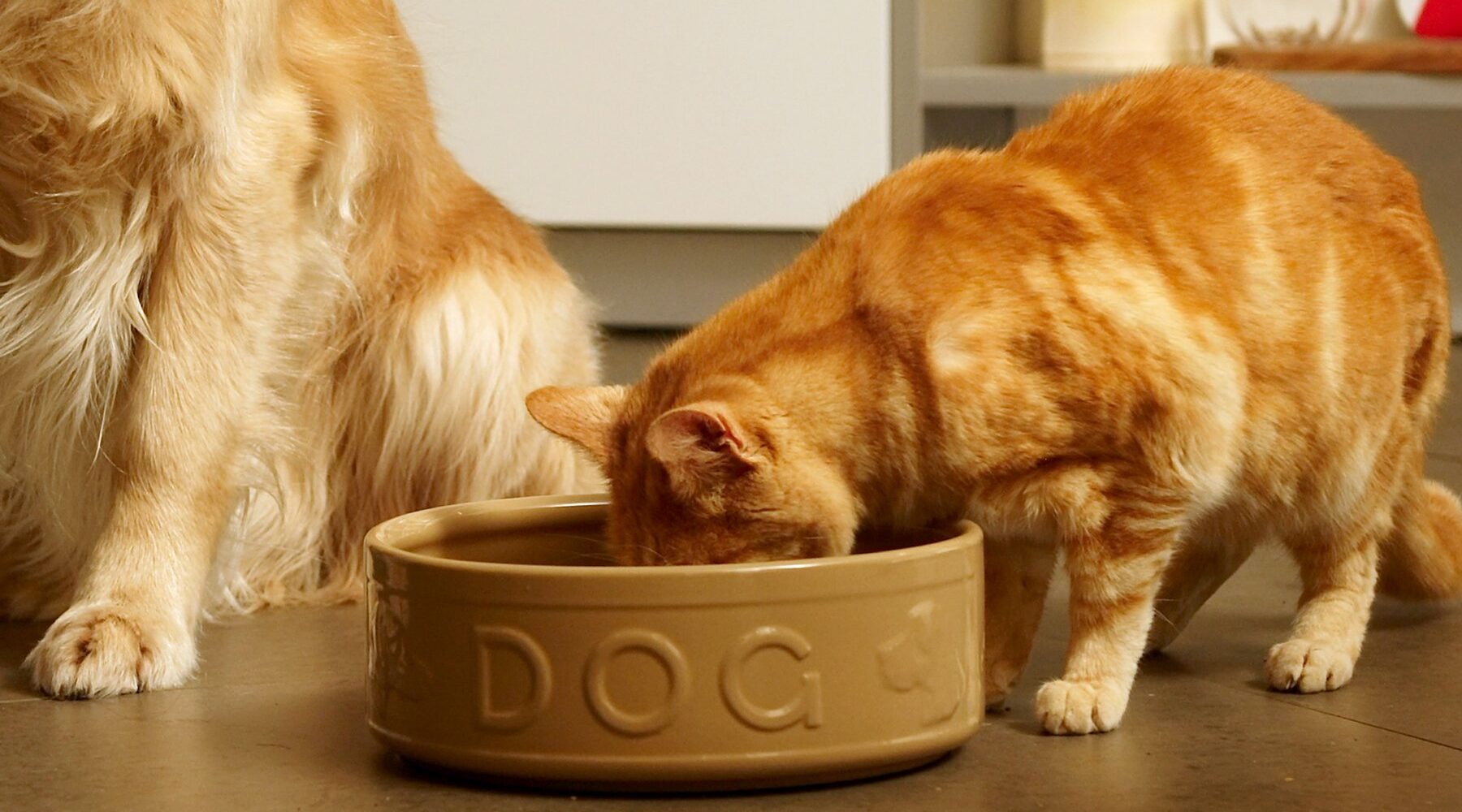
Have you ever found yourself in a situation where your cat snatched a bite of your dog’s food? You might be wondering, “Can cats eat dog food?” It’s a common dilemma for pet owners.
You want to ensure your furry friends are safe and healthy, but the truth about their diets can be confusing. We’ll explore whether dog food is suitable for cats and what you need to know to keep your pets happy.
Stay with us, and you’ll discover the key differences between cat and dog food, the risks involved, and tips to ensure your pets get the nutrition they need. Your cat’s health could depend on it!
Nutritional Needs Of Cats
Cats have specific nutritional needs. They require a balanced diet to stay healthy. Unlike dogs, cats are obligate carnivores. This means they need meat to survive. Their bodies process nutrients differently from dogs.
Feeding cats the right food is crucial. Cat food contains essential nutrients that dog food lacks. Understanding these needs helps keep your cat happy and healthy.
Key Nutrients For Cats
Cats need certain nutrients in their diet. These include proteins, fats, vitamins, and minerals. Proteins are vital for muscle growth and repair. Cats need high-quality protein from meat sources.
Fats provide energy and help absorb vitamins. Omega-3 and Omega-6 fatty acids are important for skin and coat health. Vitamins like A, B, and D support various body functions.
Minerals such as calcium and phosphorus strengthen bones and teeth. Water is also essential for hydration. A balanced diet meets all these nutritional needs.
Differences Between Cats And Dogs
Cats and dogs have different dietary requirements. Dogs can thrive on a varied diet. They are omnivores and can eat plants and meat. Cats, however, cannot. They must have animal protein.
Cats need more protein than dogs do. They also require taurine, an amino acid found in meat. Dogs can produce taurine, but cats cannot. This makes it crucial for cats to eat meat.
Understanding these differences helps pet owners choose the right food. Feeding cats dog food can lead to health issues. Always provide food that meets their specific needs.
Why Dog Food Falls Short
Many pet owners wonder about feeding their cats dog food. While dog food is made for dogs, it does not meet a cat’s needs. Cats have unique dietary requirements. These requirements are not satisfied by dog food.
Protein Levels In Dog Food
Protein is vital for cats. They need more protein than dogs do. Dog food often has lower protein levels. This lack can lead to issues for cats. They may not get enough energy. They may also lose muscle mass over time.
Taurine Deficiency Risks
Taurine is an essential amino acid for cats. It supports heart health and vision. Dog food lacks adequate taurine levels. A taurine deficiency can cause serious health problems. Cats may face heart issues or vision loss if they eat dog food long-term.
Impact On Cat Health Over Time
Long-term feeding of dog food harms cats. They may develop nutritional imbalances. This can lead to obesity or malnutrition. Cats may also show signs of lethargy. Their overall health can decline. Regular vet visits may reveal hidden issues.
Short-term Effects Of Dog Food On Cats
Cats should not eat dog food. It lacks essential nutrients that cats need for their health. Short-term effects may include stomach upset and poor nutrition. Regular consumption can lead to serious health issues over time. Always feed cats food made specifically for them.
When it comes to your cat’s health, feeding them the right food is crucial. You might wonder what happens if your feline friend snags a bite of dog food. Understanding the short-term effects of dog food on cats can help you make informed decisions for your pet.Digestive Issues
Cats are obligate carnivores, meaning their bodies are designed to thrive on meat. Dog food, which is formulated for canines, lacks the necessary nutrients that cats need. If your cat eats dog food, you may notice some digestive problems. – Vomiting: This can occur as their stomach reacts to unfamiliar ingredients. – Diarrhea: The change in diet can upset their digestive system, leading to loose stools. – Loss of Appetite: Some cats may refuse to eat after experiencing discomfort. If your cat shows any of these symptoms, it’s wise to consult a vet. Ignoring these signs could lead to more serious health issues down the line.Behavioral Changes
You might be surprised how diet affects your cat’s behavior. A sudden switch to dog food can lead to noticeable changes in your pet’s demeanor. Many cat owners report that their cats become more lethargic or even irritable after eating dog food. – Increased Thirst: Dog food can lead to dehydration, making your cat drink more water. – Restlessness: A lack of essential nutrients can cause your cat to feel unsettled or anxious. Have you noticed any shifts in your cat’s behavior after trying dog food? It’s essential to keep a close eye on these changes. Your cat’s mood and energy levels are often directly tied to their diet. Understanding these short-term effects can help you keep your cat happy and healthy. Always prioritize their specific dietary needs to ensure they thrive.
Credit: www.dutch.com
Long-term Risks Of Feeding Dog Food
Feeding cats dog food can lead to serious health issues. Cats need specific nutrients that dog food lacks. Long-term consumption may cause malnutrition and other health risks. Always choose food designed for your cat’s needs. Protect their health by providing proper nutrition.
Feeding your cat dog food occasionally might seem harmless, but the long-term risks can be serious. Cats have specific dietary needs that dog food simply doesn’t meet. Let’s look at some critical issues that can arise from a steady diet of dog food.Nutritional Imbalances
Cats require certain nutrients that are absent in dog food. They need taurine, arachidonic acid, and vitamin A, which are essential for heart health, vision, and overall wellness. Over time, a lack of these nutrients can lead to severe health issues. – Taurine deficiency can cause heart disease and blindness. – Vitamin A deficiency can lead to skin problems and impaired vision. If you notice your cat becoming lethargic or developing unusual behaviors, it may be time to reassess their diet. Your cat’s long-term health is worth the extra effort in providing the right food.Potential Organ Damage
Continually feeding your cat dog food can put stress on their organs. The imbalance of nutrients may affect the kidneys and liver. Cats’ bodies are not designed to process the same proteins and fats as dogs. – Kidney damage can manifest as increased thirst or urination. – Liver issues may show up as sudden weight loss or vomiting. These signs often indicate a more significant problem that could have been avoided with proper nutrition. Ask yourself: Are you willing to risk your cat’s health for convenience? Choosing the right food is essential for maintaining your cat’s vitality and happiness.What To Do If Your Cat Eats Dog Food
Your cat may sneak some dog food now and then. This can worry many pet owners. Knowing what to do next is important. Acting quickly can help keep your cat safe.
Assessing The Situation
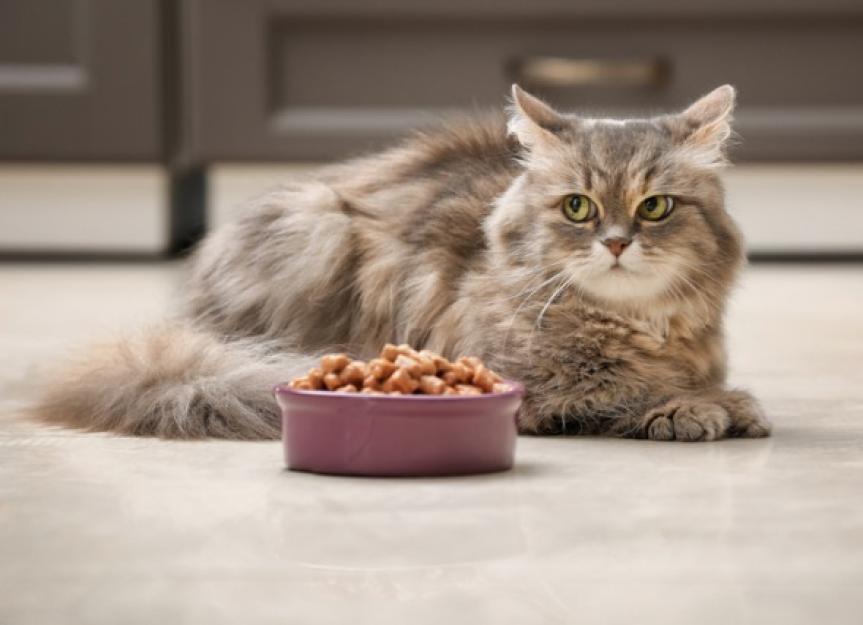
First, check how much dog food your cat ate. A small amount is usually not harmful. Look for any signs of distress. Is your cat acting normal? Is it playful or hiding?
Watch for symptoms like vomiting or diarrhea. These can happen if your cat eats too much dog food. Keep an eye on your cat for a few hours. If everything seems fine, your cat should be okay.
When To Consult A Vet
Contact a vet if your cat shows any worrying signs. This includes vomiting, lethargy, or lack of appetite. A vet can give the best advice based on your cat’s health.
Don’t wait too long. Early help can prevent bigger issues. Your vet may suggest treatments or check-ups. Always trust your instincts as a pet owner.
Credit: www.petmd.com
Safe Feeding Practices For Cats
Feeding your cat the right food is crucial for their health and well-being. If you’ve ever wondered whether your feline friend can nibble on dog food, it’s essential to understand safe feeding practices. Cats have specific dietary needs that differ from dogs, and ensuring you meet those needs is vital. Let’s dive into some practical insights on how to keep your cat healthy while navigating their diet.
Choosing The Right Cat Food
Selecting high-quality cat food is the first step in ensuring your cat stays healthy. Look for foods specifically formulated for cats, as they contain the necessary nutrients, like taurine, which are vital for your cat’s heart and eye health.
- Check the label for meat as the first ingredient.
- Avoid foods with fillers like corn and soy.
- Consider your cat’s age, size, and activity level when choosing food.
Don’t hesitate to ask your vet for recommendations. They can guide you to brands that meet your cat’s specific needs. Remember, what works for one cat may not work for another.
Avoiding Common Mistakes
Many cat owners mistakenly feed their pets dog food, thinking it’s an acceptable substitute. Dog food lacks essential nutrients that cats require. This can lead to serious health issues over time.
- Don’t leave dog food out where your cat can access it.
- Be cautious with treats and human food; some are toxic to cats.
- Always read ingredient lists before introducing new foods.
Pay attention to your cat’s reactions when trying new foods. If you notice any changes in behavior or health, consult your vet immediately. Keeping a close eye on their diet helps prevent potential issues.
How do you ensure your cat is getting the right nutrition? Share your thoughts and tips in the comments!
Alternatives To Dog Food For Cats
Cats should not eat dog food regularly. Dog food lacks important nutrients that cats need. Alternatives to dog food for cats include specially formulated cat food and safe human foods like cooked chicken or fish. Always choose options that support your cat’s health and well-being.
Alternatives to dog food for cats are essential for maintaining your feline friend’s health. While it might be tempting to share your dog’s food, cats have specific dietary needs that differ significantly. Understanding these alternatives ensures your cat gets the right nutrients and stays happy.Homemade Cat Meals
Making homemade cat meals can be a rewarding experience. You have full control over the ingredients, ensuring your cat enjoys fresh and nutritious food. Consider using protein sources like chicken, turkey, or fish, as they are vital for your cat’s health. Add some cooked vegetables like carrots or peas for extra vitamins. Here’s a simple recipe:- 1 cup of cooked chicken (shredded)
- 1/4 cup of cooked carrots (mashed)
- 1/4 cup of peas (mashed)
- 1/4 cup of chicken broth (low sodium)
Specialized Veterinary Diets
Sometimes, your cat may need specialized veterinary diets. These are tailored for specific health issues like allergies, kidney problems, or obesity. If your cat has any of these concerns, a vet can recommend the best diet to support their health. Many brands offer prescription food that caters to your cat’s unique needs. These diets often contain:- High-quality protein
- Controlled fat levels
- Essential vitamins and minerals
Credit: www.cronullavetclinic.com.au
Frequently Asked Questions
Can Cats Eat Dog Food Occasionally?
Cats can eat dog food occasionally, but it isn’t ideal. Dog food lacks essential nutrients that cats need, like taurine and arachidonic acid. If a cat eats dog food occasionally, it may not cause immediate harm, but a steady diet can lead to deficiencies.
Always prioritize a balanced diet for your cat.
Is Dog Food Harmful To Cats?
Dog food isn’t harmful in small amounts, but it’s not suitable long-term. Cats require specific nutrients that dog food doesn’t provide. Prolonged consumption can lead to health issues like malnutrition. Always consult a veterinarian if your cat has eaten dog food regularly.
What Happens If A Cat Eats Dog Food?
If a cat eats dog food, it may experience gastrointestinal upset. Symptoms can include vomiting or diarrhea. Over time, lack of essential nutrients can lead to serious health issues. Always monitor your cat’s diet to ensure they receive the proper nutrition.
Can Kittens Eat Dog Food?
Kittens should not eat dog food. They have unique nutritional needs for growth and development. Dog food does not contain the necessary vitamins and minerals for kittens. It’s crucial to feed them a high-quality kitten formula for optimal health.
Conclusion
Cats should not eat dog food regularly. Dog food lacks essential nutrients for cats. Cats need specific vitamins and proteins found only in cat food. Feeding cats dog food can lead to health problems. Always choose food designed for your pet’s needs.
Consult your vet for the best diet for your cat. Keep your furry friend healthy and happy. Remember, proper nutrition is key to a long life. Make informed choices for your pet’s well-being.