Can dog food really make a difference in your furry friend’s life? If you’re a dog owner, you understand how important it is to choose the right food for your pet.
The options available can be overwhelming, but what if the right choice could boost your dog’s health and happiness? You want the best for your companion, and understanding the ins and outs of dog food is key. This article will break down everything you need to know about dog food—what to look for, what to avoid, and how to make informed decisions.
By the end, you’ll be equipped to ensure your dog thrives. Let’s dive in!

Credit: www.walmart.com
The Link Between Nutrition And Pet Health
The nutrition you provide your dog significantly impacts their overall health and well-being. Many pet owners underestimate how vital a balanced diet is for their furry friends. Just like humans, dogs thrive when they receive the right nutrients.
The Importance Of Balanced Nutrition
Feeding your dog a balanced diet helps maintain their energy levels and supports their immune system. A well-rounded meal plan includes proteins, fats, carbohydrates, vitamins, and minerals. Consider your dog’s age, size, and activity level when choosing their food.
High-quality dog food often lists meat as the first ingredient. This indicates a good source of protein, essential for muscle growth and repair. Avoid foods that list fillers like corn and soy as primary ingredients.
The Role Of Specific Nutrients
Certain nutrients play a crucial role in your dog’s health. Omega fatty acids promote healthy skin and a shiny coat. Antioxidants help fight free radicals, supporting overall vitality.
- Protein: Essential for growth and tissue repair.
- Carbohydrates: Provide energy for daily activities.
- Vitamins: Support various bodily functions.
- Minerals: Aid in bone health and enzyme functions.
How Nutrition Affects Behavior
You might notice how your dog’s behavior changes based on their diet. A well-fed dog tends to be more energetic and playful. On the other hand, poor nutrition can lead to lethargy and irritability.
After switching my dog to a high-quality diet, I observed a remarkable change in her energy levels. She became more active and engaged, turning our daily walks into adventures. What changes have you noticed in your dog with different foods?
The Impact Of Poor Nutrition
Feeding your dog low-quality food can lead to various health issues. Weight gain, skin problems, and digestive issues are common consequences. Regular vet visits can help spot these problems early on.
Consider consulting with a veterinarian to determine the best diet for your dog. Their expertise can guide you in making informed decisions about your pet’s nutrition.
Your dog deserves the best, and nutrition is a key piece of the puzzle. Prioritize their diet, and you’ll notice the positive effects on their health and happiness.
Key Nutrients For Longevity
Understanding the key nutrients that promote longevity in your dog’s diet can significantly impact their overall health and happiness. Choosing the right combination of proteins, fats, vitamins, and minerals ensures your furry friend thrives as they age. Here’s a closer look at essential nutrients that can help your dog live a longer, healthier life.
The Role Of Proteins
Proteins are the building blocks of your dog’s body. They support growth, repair tissues, and maintain a strong immune system. Look for high-quality protein sources like chicken, beef, or fish in your dog food.
A diet rich in protein can also help maintain muscle mass as your dog ages. Your senior dog may need more protein than a younger one to support these functions. Always check the ingredient list on dog food packaging to ensure proteins are prioritized.
Importance Of Healthy Fats
Healthy fats are crucial for energy and overall health. They support skin and coat health, helping to keep your dog’s fur shiny and strong. Sources like fish oil or flaxseed are excellent additions to their diet.
These fats also provide essential fatty acids, which can reduce inflammation and support heart health. Including healthy fats in your dog’s meals can significantly improve their quality of life. Have you noticed a difference in your dog’s energy levels after changing their diet?
Vitamins And Minerals For Vitality
Vitamins and minerals play a vital role in your dog’s longevity. They support a range of bodily functions, including bone health, immune response, and metabolic processes. Look for dog foods that are fortified with essential vitamins like A, D, E, and minerals like calcium and phosphorus.
Incorporating fresh fruits and vegetables can also provide these vital nutrients. Ingredients like carrots, blueberries, and sweet potatoes are not only tasty but also packed with health benefits. Have you considered adding whole foods to enhance your dog’s diet?
By focusing on these key nutrients, you can help ensure your dog enjoys a long, healthy life. Make thoughtful choices about their food, and you will see the rewards in their energy and happiness.
Types Of Dog Food Options
Different types of dog food cater to various needs. Options include dry kibble, wet food, raw diets, and homemade meals. Each type offers unique benefits for your dog’s health and preferences. Choosing the right food helps keep your pet happy and energetic.
Choosing the right type of dog food can significantly impact your furry friend’s health and happiness. With various options available, it’s essential to understand the benefits and drawbacks of each. Below, we’ll break down the three main types of dog food: dry kibble, wet food, and raw or homemade diets.Dry Kibble Benefits
Dry kibble is a popular choice for many dog owners. – Convenience: It’s easy to store and serve. You can keep it in a sealed container, ready to pour at mealtime. – Dental Health: The crunchy texture can help reduce plaque buildup on your dog’s teeth. – Cost-Effective: Generally, dry kibble is more affordable than other types of dog food. I remember switching to dry kibble for my dog, Max. He loved the crunch and I enjoyed the convenience. Plus, I noticed his teeth looked healthier during vet visits.Wet Food Advantages
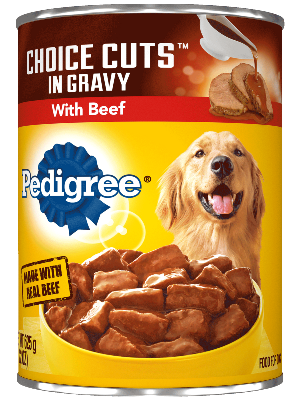
Wet food offers unique benefits that can appeal to picky eaters. – Flavor and Aroma: Dogs often find wet food more appetizing due to its strong smell and rich taste. – Hydration: It contains more moisture, which can be helpful for dogs that don’t drink enough water. – Easier to Chew: For older dogs or those with dental issues, wet food can be easier to manage. When I introduced wet food to Max, he practically danced around his bowl. His enthusiasm was contagious, and I felt good knowing he was enjoying his meals.Raw And Homemade Diets
Raw and homemade diets are gaining popularity among dog owners seeking control over their pet’s nutrition. – Fresh Ingredients: You know exactly what goes into your dog’s meals, ensuring high-quality ingredients. – Tailored Nutrition: You can customize meals to meet specific dietary needs or preferences. – Variety: Offering different proteins and vegetables can keep mealtime exciting for your dog. I once tried a homemade diet for Max, using chicken, carrots, and brown rice. He loved it, and I appreciated the peace of mind from knowing what he was eating. Which type of dog food do you think your pet would prefer? Understanding these options can help you make an informed choice that best suits your dog’s needs.How To Choose High-quality Dog Food
Choosing high-quality dog food is essential for your pet’s health. Look for food with real meat as the first ingredient. Check for balanced nutrients and avoid fillers like corn and soy. Reading labels helps ensure your dog gets the best diet possible.
Choosing high-quality dog food is crucial for your furry friend’s health and well-being. With so many options available, it can feel overwhelming. Understanding how to read labels, what to avoid, and the benefits of different types of food can help you make the best choice for your dog.Reading Ingredient Labels
Start by examining the ingredient list. The first few ingredients should be high-quality proteins like chicken, beef, or fish. If you see vague terms like “meat by-products” or “animal meal,” it’s a red flag. Look for recognizable ingredients. Whole ingredients like vegetables and grains are preferable. They contribute to a balanced diet and provide essential nutrients. Also, check the guaranteed analysis. This section indicates the percentage of protein, fat, fiber, and moisture. Ensure that your dog’s food meets their specific dietary needs based on their age, weight, and activity level.Avoiding Harmful Additives
Be cautious of artificial colors, flavors, and preservatives. These additives serve no nutritional purpose and can be harmful over time. Instead, opt for brands that use natural preservatives like vitamin E or rosemary extract. Watch out for excessive fillers like corn, soy, and wheat. These ingredients may provide bulk but lack nutritional value. Your dog deserves a diet that nourishes, not just fills their stomach. Always research the brand’s reputation. Read reviews and check for any recalls. A trustworthy brand values transparency and prioritizes your dog’s health.Organic And Grain-free Options
Consider organic dog food for a more natural diet. Organic ingredients are grown without synthetic pesticides and fertilizers, which can be beneficial for your pet’s health. Grain-free options can be great for dogs with grain sensitivities. Many high-quality grain-free foods use alternative carbohydrates like sweet potatoes or peas. However, not all dogs need grain-free diets. Consult your vet to determine what works best for your pup. Understanding your dog’s specific needs will lead you to the best choice.Tailoring Diets For Specific Needs
Tailoring dog food to meet specific needs is important for a pet’s health. Different dogs require various nutrients based on age, size, and health issues. Choosing the right diet helps support their overall well-being and keeps them happy.
Tailoring diets for your dog’s specific needs is essential for their overall health and well-being. Every dog is unique, with different ages, activity levels, and health conditions that require careful consideration when choosing their food. Understanding these specific needs helps you provide a balanced diet, ensuring your furry friend thrives.Age-appropriate Nutrition
Puppies, adults, and seniors all have different nutritional requirements. Puppies need a diet rich in protein and fat to support their rapid growth. Look for foods labeled for puppies, as they contain the right balance of nutrients. Adult dogs benefit from a balanced diet that maintains their health and energy levels. You might notice your adult dog thriving on high-quality kibble specifically designed for their size and breed. Senior dogs often require lower calorie diets that are easier to digest. Adding supplements like omega-3 fatty acids can help support joint health, keeping your older companion more active. Have you considered your dog’s age when selecting their food?Dietary Needs For Active Dogs
If your dog is always on the go, they need a diet that matches their energy levels. Active dogs burn more calories and require higher protein content to sustain their stamina. Look for dog food that lists a high-quality protein source as the first ingredient. Ingredients like chicken, beef, or fish provide the essential amino acids that support muscle maintenance. You can also add healthy snacks like sweet potatoes or carrots to their diet for an energy boost. These foods are not only nutritious but also help with hydration. Have you noticed how much energy your dog has? Tailoring their diet can help them maintain that zest for life.Foods For Managing Health Conditions
Some dogs may face health challenges that require a specialized diet. Conditions like obesity, diabetes, or allergies demand careful attention to what goes into their bowl. For overweight dogs, consider foods with lower fat content and higher fiber. This combination helps them feel full while supporting weight loss. Dogs with allergies may need limited-ingredient diets that exclude common allergens. Always consult your vet to determine which ingredients are best for your dog’s specific needs. Is your dog facing any health issues? Adjusting their diet can make a significant difference in their quality of life.Common Misconceptions About Dog Food
There are many misconceptions about dog food that can lead to confusion for pet owners. Understanding what your dog really needs can be challenging, especially with the plethora of information available. Let’s clear up some of the most common myths surrounding dog food to help you make informed choices for your furry friend.
Debunking Grain-free Myths
One of the most prevalent myths is that grain-free diets are inherently better for dogs. Many believe that grains cause allergies or digestive issues. In reality, most dogs can digest grains without any problems.
Grains like rice, oats, and barley provide essential nutrients. They are a source of carbohydrates that can give your dog energy. It’s crucial to assess your dog’s individual needs rather than follow trends.
Some dogs may have specific allergies, but they are the exception, not the rule. A balanced diet can include grains without adverse effects. Always consult your vet before making drastic changes to your dog’s diet.
Understanding Natural Vs. Processed
Another misconception is that “natural” dog food is always the best option. Just because a product is labeled as natural doesn’t mean it’s superior. Some natural foods can be heavily processed and still lack essential nutrients.
Processed dog food often gets a bad reputation. However, many high-quality brands use advanced methods to preserve nutrients effectively. A well-processed dog food can provide a balanced diet.
Read labels carefully. Look for whole ingredients and avoid fillers. Understanding what’s in your dog’s food can help you choose wisely.
Have you checked the ingredients of your dog’s food lately? You might be surprised by what you find. Keep in mind that your dog’s health is your responsibility.
The Role Of Portion Control
Portion control is essential for your dog’s health. Feeding the right amount helps your dog stay healthy. It prevents many health problems. Understanding how much to feed is key. This section explores the importance of portion control in dog food.
Avoiding Overfeeding Risks
Overfeeding can lead to serious issues. It increases the risk of obesity. Obesity can cause joint pain and heart problems. It also affects your dog’s overall energy. Many dog owners may not know their dog is overweight. Regularly check your dog’s weight. Consult your vet for guidance on portion sizes.
Maintaining A Healthy Weight
Keeping your dog at a healthy weight is vital. Proper portion control helps achieve this. Follow feeding guidelines based on your dog’s size. Use measuring cups for accuracy. Avoid free-feeding your dog. This can lead to overeating. Stick to a routine for feeding times. Monitor your dog’s body condition regularly. Adjust portions as needed to maintain a healthy weight.

Credit: bixbipet.com
Monitoring Your Dog’s Health Through Diet
Diet plays a big role in your dog’s health. What your dog eats can affect their energy, mood, and overall well-being. By watching their diet, you can spot health issues early. This makes it easier to keep your furry friend happy and healthy.
Signs Of Nutritional Deficiency
Watch for signs that your dog may need better nutrition. Common signs include weight loss or gain. Changes in appetite can also indicate a problem.
Look for dull fur or excessive shedding. These issues can mean your dog lacks essential nutrients. Gastrointestinal problems like diarrhea or vomiting are also red flags.
Tracking Energy Levels And Coat Health
Energy levels tell a lot about your dog’s health. A sudden drop in energy may signal a diet issue. Active dogs should have a lively spirit. If your dog seems tired, check their food.
Coat health is another key indicator. A shiny coat shows good nutrition. A dry or flaky coat may mean your dog needs different food. Regularly assess both energy and coat for signs of health.
Credit: www.thehungrypuppy.com
Frequently Asked Questions
Can Dog Food Cause Allergies In Dogs?
Yes, dog food can cause allergies in dogs. Common allergens include beef, chicken, and grains. Symptoms may include itching, digestive issues, or skin problems. If you suspect allergies, consult your veterinarian. They can recommend appropriate diets or conduct allergy tests for a better understanding of your dog’s needs.
What Ingredients Should I Avoid In Dog Food?
Avoid dog food with artificial additives, fillers, and low-quality meat sources. Ingredients like corn, soy, and wheat can cause sensitivities in some dogs. Look for whole foods and named meat sources instead. Always read labels carefully to ensure your dog receives the best nutrition possible.
How Often Should I Feed My Dog?
Most adult dogs should be fed twice a day. Puppies typically require three to four meals daily. Factors such as age, size, and activity level can influence feeding frequency. Always follow your veterinarian’s recommendations for your dog’s specific dietary needs.
Is Homemade Dog Food Better Than Commercial Options?
Homemade dog food can be healthier but requires careful planning. It allows you to control ingredients and avoid allergens. However, it’s essential to ensure a balanced diet. Consult a veterinarian or pet nutritionist to create a suitable homemade diet for your dog.
Conclusion
Choosing the right dog food matters a lot. It affects your dog’s health and happiness. Always check the ingredients and nutrition. Make informed choices for your furry friend. Remember, what you feed them shapes their life. Consult your vet for advice.
They can guide you to the best options. A healthy dog is a happy dog. Take care of their needs. Your love and attention make a difference. With the right food, your dog will thrive. Make every meal count for their well-being.