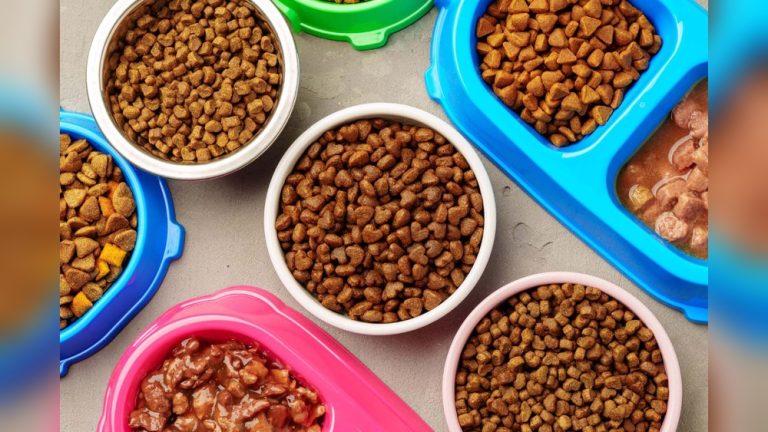

Choosing the right food for your furry friend can feel overwhelming. With so many options out there, you might be wondering, “What is the best dog food?”
Your dog’s health and happiness depend on this crucial decision. You want to ensure that every bite they take nourishes their body and supports their energy levels. But how do you sift through the marketing claims and ingredient lists to find the perfect match for your pup?
We’ll break down everything you need to know. We’ll explore key factors to consider, compare popular brands, and give you tips to help you make an informed choice. Your dog deserves the best, and we’re here to guide you every step of the way. Keep reading to discover the secrets to finding the ideal dog food for your beloved companion!
Choosing The Right Dog Food
Choosing the right dog food is crucial for your pet’s health. Dogs need balanced nutrition to thrive. The right food helps them grow strong and stay active. Understanding what your dog needs is the first step.
Each dog is unique. Their needs change based on age, breed, and health. Knowing these factors helps you make the best choice. Let’s explore how to choose the right food.
Understanding Your Dog’s Nutritional Needs
Your dog requires proteins, fats, carbohydrates, vitamins, and minerals. These nutrients support their overall health. Proteins build muscles and repair tissues. Fats provide energy and keep their coat shiny.
Carbohydrates offer energy and help digestion. Vitamins and minerals strengthen bones and support the immune system. Consult your vet for specific needs based on your dog’s lifestyle and health.
Factors To Consider Based On Age And Breed
Age plays a key role in nutrition. Puppies need more calories for growth. Adult dogs require balanced meals to maintain health. Senior dogs may need special diets for joint support.
Breed also matters. Large breeds need food that supports their joints. Small breeds may need more calorie-dense food. Always consider your dog’s specific needs for the best results.
Decoding Dog Food Labels
Reading dog food labels can be tricky. Look for high-quality ingredients. Meat should be the first ingredient listed. Avoid foods with fillers like corn and soy.
Check for AAFCO statements. These indicate the food meets nutritional standards. Also, note the life stage of the food. Puppy, adult, and senior formulas are different.
Pay attention to the guaranteed analysis. This shows the minimum and maximum nutrient levels. Understanding labels helps you make informed choices.
Types Of Dog Food Options
Choosing the right dog food can be confusing. Many options exist. Each type has its own benefits and drawbacks. Understanding these can help you make the best choice for your dog.
Dry Kibble Benefits And Drawbacks
Dry kibble is popular among dog owners. It is easy to store and serve. Kibble helps clean teeth and freshen breath. It also tends to be less expensive than other options.
On the downside, some dogs may not find kibble very tasty. It can be low in moisture. This might not be ideal for dogs that need more hydration. Check the ingredients carefully to ensure quality.
Canned Or Wet Food Considerations
Canned or wet food is often very flavorful. Many dogs enjoy its taste. It is also high in moisture. This can help keep your dog hydrated.
However, canned food can be pricier. It also has a shorter shelf life once opened. Some dogs may gain weight if fed too much wet food. Balance is key when choosing this option.
Raw And Fresh Food Diets
Raw and fresh food diets are gaining popularity. These diets often include raw meat, fruits, and vegetables. Many believe this is a more natural way to feed dogs.
It can be more nutritious, but it requires careful planning. It is important to ensure a balanced diet. Safety is a concern too, as raw meat can carry bacteria. Always consult a vet before starting this diet.
Homemade Meals For Dogs
Homemade meals allow for full control over ingredients. You can use fresh, high-quality foods. This option can be tailored to your dog’s needs.
However, it requires time and effort. It can also be challenging to create balanced meals. Consulting a vet or pet nutritionist is wise. This ensures your dog receives everything it needs.
Ingredients To Look For
Choosing the right dog food is important. The ingredients matter a lot. Dogs need a balanced diet. Focus on key ingredients that support their health. Here are the main ingredients to consider.
High-quality Proteins
Protein is essential for your dog’s health. It helps build strong muscles. Look for named meat sources like chicken, beef, or fish. These are better than generic terms like “meat” or “animal meal.” Some foods include plant proteins too. These can be good, but not as effective as animal proteins.
Healthy Fats And Oils
Fats are a source of energy for dogs. They also help keep their skin and coat healthy. Look for sources like chicken fat or fish oil. Omega-3 and Omega-6 fatty acids are important. They support heart health and reduce inflammation.
Essential Vitamins And Minerals
Vitamins and minerals are crucial for a dog’s overall health. They help with immune function and bone health. Look for foods that list vitamins A, D, and E. Minerals like calcium and phosphorus are also important. These nutrients work together to keep your dog healthy.
:strip_icc()/Spruce-best-dog-food-for-allergies-4173781-024027f06d344cd8acf7267d38694fa3.jpg)
Credit: www.thesprucepets.com
Ingredients To Avoid
Avoid certain ingredients in dog food to keep your pet healthy. Stay clear of fillers like corn and soy. Watch out for artificial preservatives and colors, as they can harm your dog’s well-being. Always read labels to ensure your dog gets the best nutrition possible.
Choosing the right dog food is crucial for your furry friend’s health and happiness. While you may focus on the ingredients that nourish your pet, it’s equally important to know what to avoid. Certain ingredients can be harmful or of low nutritional value, impacting your dog’s overall well-being. Here’s a closer look at some of those ingredients you should steer clear of when selecting dog food.Artificial Additives And Preservatives
Many commercial dog foods contain artificial additives and preservatives. These chemicals enhance flavor, color, or shelf life but can pose health risks. Common culprits include BHA, BHT, and ethoxyquin. These substances have been linked to various health issues, including allergies and even cancer. Look for natural preservatives like vitamin E or rosemary extract instead. These are safer options that help maintain freshness without the harmful side effects.Fillers And Low-quality Grains
Fillers may make dog food cheaper to produce, but they offer little to no nutritional value. Ingredients like corn, wheat, and soy often serve as cheap fillers that can lead to digestive issues. If your dog has food sensitivities, these low-quality grains can worsen the situation. Choose dog food that prioritizes high-quality proteins and whole grains, like brown rice or oatmeal. This ensures your pet receives the nutrients they need for a healthy lifestyle.Harmful By-products
Animal by-products can be a red flag when reading dog food labels. These are often parts of animals that are not fit for human consumption, such as beaks, feathers, and organs. Some by-products can contain essential nutrients, but many are low quality and lack the proteins your dog needs. Opt for dog food that specifies meat sources, such as “chicken” or “beef,” rather than vague terms like “meat meal.” This way, you can ensure your dog is getting real, wholesome ingredients. Your dog deserves the best, and being informed about harmful ingredients is a step in the right direction. What are you currently feeding your furry friend, and have you checked the label for these questionable ingredients?Special Diets For Unique Needs
Choosing the right dog food is crucial, especially when your furry friend has special dietary needs. Unique conditions like allergies, weight issues, or age-related changes require specific nutrition. Understanding these special diets can help you make the best choices for your dog’s health and happiness.
Food For Allergies And Sensitivities
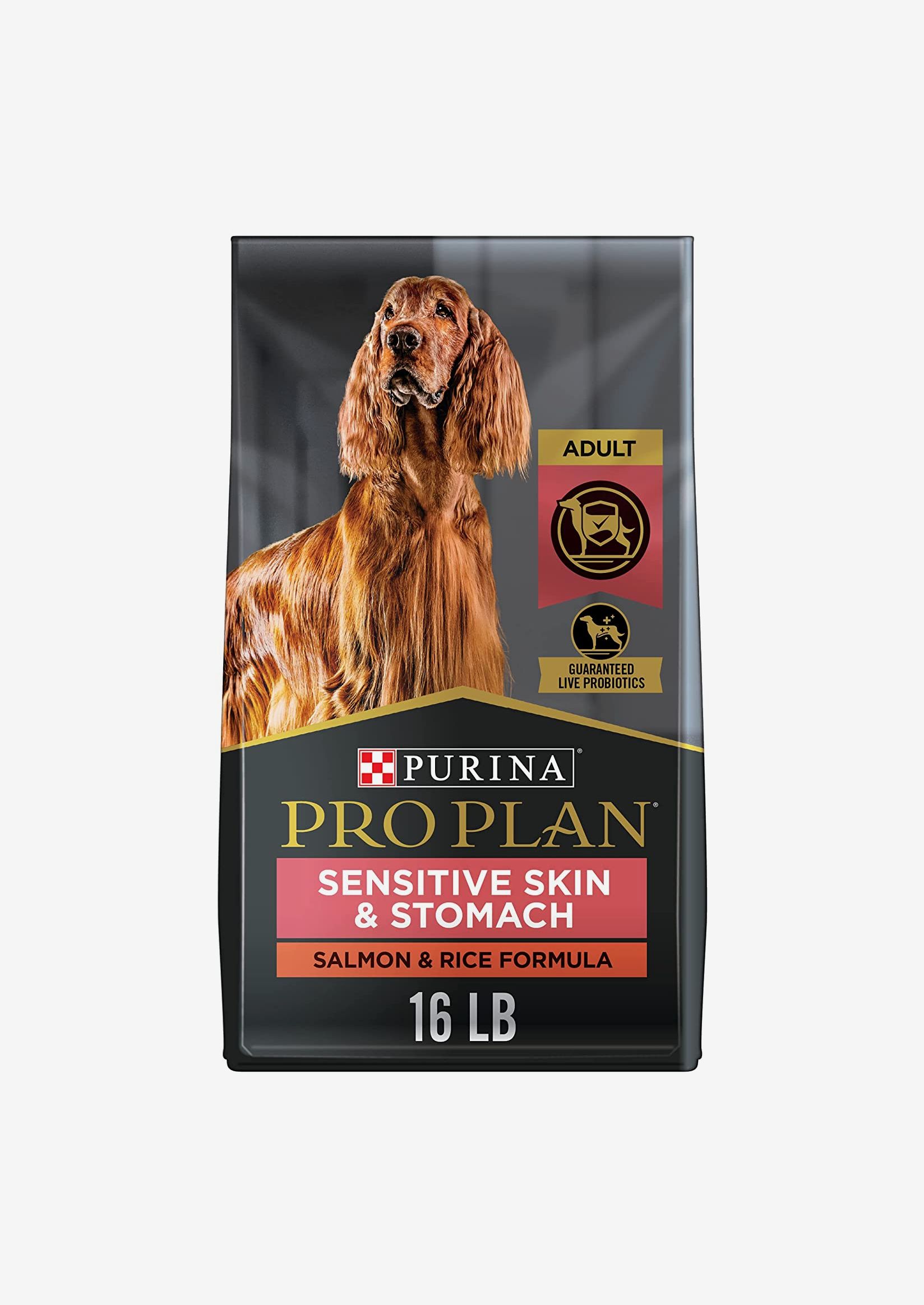
Many dogs suffer from food allergies or sensitivities that can lead to skin irritations, digestive problems, or other health issues. If your dog is constantly scratching or has an upset stomach, it may be time to evaluate their diet.
- Look for foods that contain limited ingredients.
- Choose novel protein sources, like duck or fish, if your dog has common allergies like beef or chicken.
- Consider grain-free options if your dog has a sensitivity to grains.
Switching to a specialized diet can make a noticeable difference. You might see improvements in your dog’s coat condition or a reduction in itching within just a few weeks. Have you noticed any specific foods that seem to trigger your dog’s reactions?
Weight Management Formulas
If your dog is overweight, you’re not alone—many pet owners face this challenge. Weight management formulas provide balanced nutrition while helping your dog shed those extra pounds.
- These formulas often have lower calories and higher fiber content.
- Look for brands that feature whole ingredients and real meat as the first ingredient.
- Consult with your vet to determine the right portion sizes for your dog’s specific needs.
Many dog owners find success with weight management diets. One friend shared that after switching to a weight control formula, her dog lost five pounds in just a few months. Are you ready to take the first step towards a healthier weight for your dog?
Senior Dog Diets
As dogs age, their nutritional requirements change. Senior dog diets are formulated to support joint health, maintain weight, and boost energy levels.
- Look for food with added glucosamine and chondroitin for joint support.
- Opt for lower-calorie options to prevent obesity in less active dogs.
- Incorporate antioxidants to support cognitive health.
Your older dog may show signs of slowing down, but the right diet can help them thrive. A neighbor noticed her senior dog playing more energetically after switching to a senior-specific formula. What changes have you seen in your older dog’s behavior with a new diet?
Credit: holidaygolf.com
Top Dog Food Brands
Choosing the right dog food can be overwhelming. Many brands offer various options. Each brand has its strengths and weaknesses. Knowing the best dog food brands helps you make informed choices. Here are some top dog food brands to consider.
Premium Brands For Optimal Health
Premium brands focus on high-quality ingredients. These foods often contain real meat, fruits, and vegetables. They avoid fillers and artificial additives. Brands like Blue Buffalo and Orijen are popular choices. They provide balanced nutrition for dogs of all ages. Premium brands may cost more but often lead to better health.
Budget-friendly Options
Budget-friendly dog food can still be nutritious. Many brands offer affordable choices without sacrificing quality. Brands like Pedigree and Purina One provide good nutrition at lower prices. Look for foods that meet AAFCO standards. These foods ensure essential nutrients are included. You can find good options that fit your budget.
Veterinarian-recommended Picks
Veterinarians often recommend certain dog food brands. They know which foods support health best. Brands like Hill’s Science Diet and Royal Canin are trusted by many vets. These foods are formulated for specific health needs. Always consult your vet before making changes to your dog’s diet.
Tips For Feeding Your Dog
Feeding your dog the right way is important. Dogs need the right amount of food. They also need a good schedule for meals. Proper feeding helps keep them healthy. Here are some tips to help you.
Portion Control Guidelines
Know your dog’s weight and size. Use this to decide how much to feed. Most dog food packages have guidelines. Follow these for best results.
Look at your dog’s activity level. Active dogs need more food. Less active dogs need less food. Adjust portions based on their daily activity.
Monitor your dog’s weight regularly. If they gain weight, reduce portions. If they lose weight, consider increasing portions.
Establishing A Feeding Schedule
Set a regular feeding time each day. Dogs thrive on routine. Feed them twice a day for adults. Puppies may need three to four meals.
Stick to the schedule as much as possible. This helps with digestion. It also helps them learn when to expect food.
Remove uneaten food after 30 minutes. This keeps your dog from overeating. It also helps avoid picky eating habits.
Transitioning To A New Food Safely
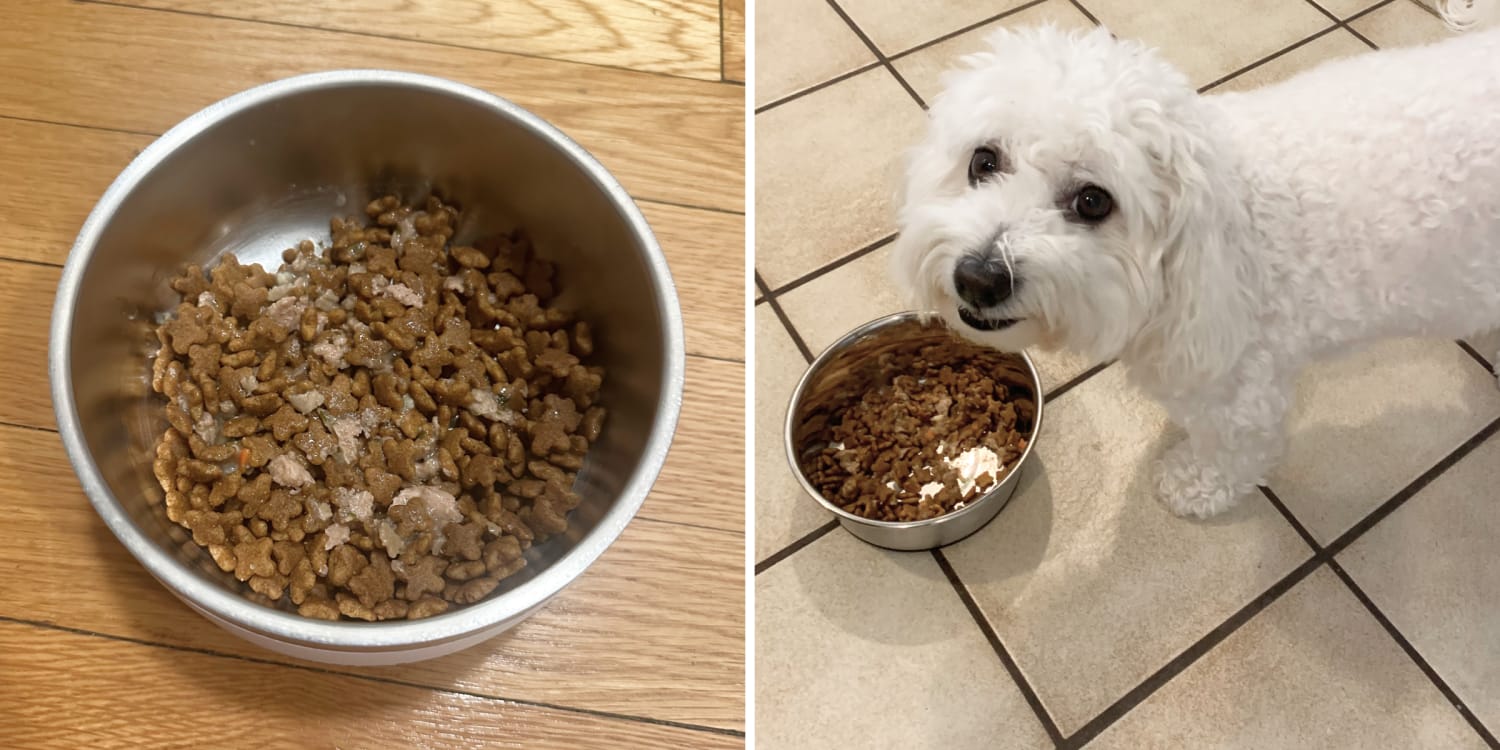
Switching dog food can upset their stomach. Do it gradually over a week. Start with a mix of old and new food.
Begin with 75% old food and 25% new food. Slowly change the ratio each day. By day seven, your dog should eat only the new food.
Watch for any signs of upset stomach. If your dog shows discomfort, slow down the transition. Consult your vet if problems continue.
Credit: www.nbcnews.com
Frequently Asked Questions
What Ingredients Should I Look For In Dog Food?
When choosing dog food, focus on high-quality protein sources like chicken, beef, or fish. Look for whole grains and vegetables for added nutrients. Avoid fillers such as corn and soy. Additionally, check for essential fatty acids and vitamins to ensure a balanced diet for your dog.
Is Grain-free Dog Food Better For My Dog?
Grain-free dog food can be beneficial for some dogs, especially those with allergies or sensitivities. However, not all dogs require a grain-free diet. It’s essential to consult your veterinarian before making changes. A balanced diet with whole grains may be suitable for many dogs, providing necessary nutrients.
How Do I Choose The Right Dog Food For My Breed?
Choosing the right dog food depends on your dog’s breed, age, and activity level. Large breeds may require formulas that support joint health, while small breeds often benefit from calorie-dense options. Always consult your vet for personalized recommendations based on your dog’s specific needs.
How Often Should I Feed My Dog?
Most adult dogs should be fed twice a day, while puppies often require three to four meals. Consistency is key for digestion. Monitor your dog’s weight and adjust portion sizes as needed. Always provide fresh water and adjust feeding frequency based on your dog’s age and energy levels.
Conclusion
Choosing the best dog food is essential for your pet’s health. Look for high-quality ingredients. Check for proper nutrition tailored to your dog’s needs. Read labels carefully. Talk to your vet for personalized advice. Remember, every dog is different. What works for one may not work for another.
Your dog deserves the best. Take time to find the right food. A happy dog means a happy owner. Invest in your dog’s well-being today.