

Choosing the right food for your furry friend can be a daunting task. With countless options on the market, how do you know what’s best for your dog’s health?
That’s where Dog Food Advisor comes in. Imagine having a trusted guide to help you navigate the aisles, ensuring your beloved pet gets the nutrition they deserve. As a dog owner, you want to make informed decisions, and this article is here to help you do just that.
We’ll delve into how Dog Food Advisor can be your go-to resource, offering insights that could transform your pet’s diet for the better. Stick with us, and discover how you can enhance your dog’s well-being through smarter food choices.
Importance Of Balanced Diet
Dog Food Advisor highlights the importance of a balanced diet for dogs. Proper nutrition ensures your pet’s health and happiness. A well-rounded diet supports strong bones, shiny coats, and a robust immune system.
A balanced diet is crucial for your dog’s health and happiness. Just like you, your furry friend needs a variety of nutrients to thrive. Dog Food Advisor can guide you in choosing the best options for a well-rounded diet. ###Nutritional Needs Of Dogs
Dogs need a mix of proteins, fats, carbohydrates, vitamins, and minerals. Proteins help build strong muscles. Fats are essential for a shiny coat and healthy skin. Carbohydrates provide energy, while vitamins and minerals support overall well-being. Have you ever noticed your dog being lethargic or having a dull coat? These can be signs of nutritional deficiencies. Make sure the dog food you choose lists meat as the first ingredient for high-quality protein. Check if it includes other essential nutrients for complete nutrition. ###Common Dietary Mistakes
Many dog owners unknowingly make mistakes in their pet’s diet. Overfeeding is a common issue, which can lead to obesity and health problems. Always measure your dog’s food to ensure you’re giving the right portion. Another mistake is feeding table scraps. While it may seem harmless, human food can upset your dog’s stomach or be toxic. Stick to dog-specific foods and treats. Are you giving your dog enough variety? Dogs, like humans, need different foods to get all the nutrients they need. Rotate between different flavors and types of dog food to keep their diet balanced and interesting. Have you checked your dog’s food label recently? It’s crucial to know what goes into their meals. Look for balanced formulas that meet their age, size, and activity level. This simple step can significantly impact their health and longevity. By understanding your dog’s nutritional needs and avoiding common mistakes, you can ensure your four-legged friend gets the best care possible. Making informed choices about your dog’s diet will lead to a happier and healthier life for them.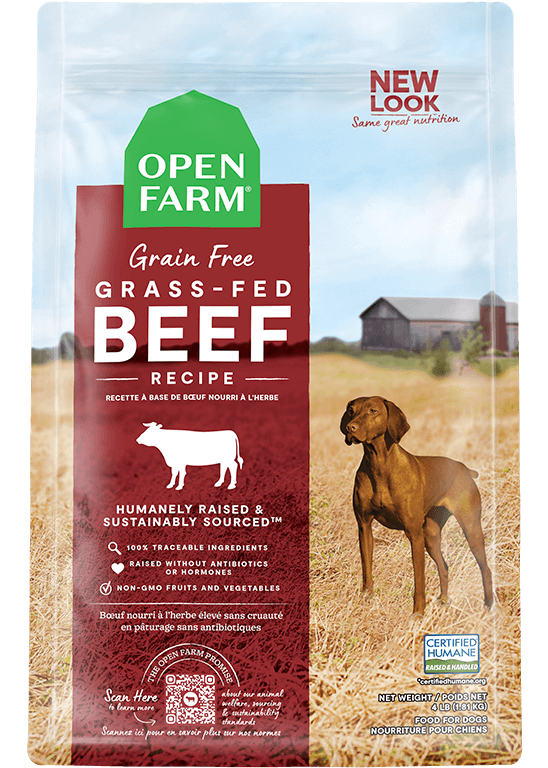
Credit: www.dogfoodadvisor.com
Types Of Dog Food
Choosing the right dog food is crucial for your pet’s health. Each type of dog food has its benefits and drawbacks. Understanding these can help you make informed choices. Here’s an overview of the main types of dog food.
Dry Kibble
Dry kibble is the most popular dog food option. It is easy to store and serve. Kibble helps keep your dog’s teeth clean. It is also cost-effective for many pet owners. Look for kibble with high-quality ingredients.
Wet Canned Food
Wet canned food comes in sealed cans or pouches. It has a higher moisture content than kibble. This makes it a good choice for dogs needing more hydration. Wet food often has a stronger aroma, which can entice picky eaters.
Raw Food Diets
Raw food diets include uncooked meats, bones, and organs. Some pet owners believe raw diets are more natural. They can provide high protein levels. But, they also require careful handling to avoid health risks. Consider consulting a vet before starting a raw diet.
Reading Dog Food Labels
Understanding dog food labels can be tricky. These labels are crucial for your dog’s health. They provide details about what your pet consumes. But, many pet owners find them confusing. Knowing how to read these labels helps in choosing quality food.
Key Ingredients To Look For
Always check the primary ingredients. They are listed in order by weight. Look for real meat like chicken or beef. These offer essential proteins. Whole grains and vegetables are good sources of fiber. They support digestion and overall health. Avoid foods with fillers like corn or soy. These offer little nutritional value.
Decoding Nutritional Information
Understanding nutritional information is vital. Check for a balanced diet label. This ensures your dog gets necessary nutrients. Look for essential vitamins and minerals. Calcium and phosphorus support strong bones. Omega fatty acids improve coat health. Ensure the food meets AAFCO standards. This guarantees nutritional adequacy for your pet.
Evaluating Dog Food Brands
Choosing the right food for your dog can feel overwhelming. With countless brands on the market, how do you pick the best one? Evaluating dog food brands is crucial to ensure your furry friend gets the nutrition they need. But what should you look for when assessing these brands? You might be surprised at what truly matters.
Criteria For Quality
Quality is not just a label; it’s a promise. Look for brands that use wholesome, natural ingredients. Ingredients you can pronounce are often a good sign. Check the protein sources — is it real meat or just by-products? The first ingredient should ideally be a named meat.
Think about the nutritional balance. Does the food offer a well-rounded mix of proteins, fats, and carbs? Avoid foods that rely heavily on fillers like corn and soy. These can dilute the nutritional value.
Consider where the food is made. Brands that manufacture in countries with strict regulations often have higher standards. Transparency is also key. Does the brand openly share its sourcing and manufacturing processes?
Top-rated Brands
Some brands consistently receive high marks from experts and pet owners alike. Brands like Orijen and Blue Buffalo are often praised for their commitment to quality. They use high-quality ingredients and avoid artificial additives.
Acana is another top contender, known for its biologically appropriate recipes. They focus on whole foods and fresh ingredients, making them a favorite among health-conscious pet parents.
But what about your dog? Every pup is different, and what works for one might not suit another. Have you noticed any changes in your dog’s energy or coat after switching brands? These small observations can be telling.
Choosing the right dog food is more than just picking a popular brand. It’s about understanding what your dog truly needs. What do you look for when evaluating dog food brands? Your insights might be the key to helping others make informed choices.
Homemade Dog Food
Choosing to prepare homemade dog food can be a rewarding decision for both you and your furry friend. It allows you to control the ingredients, ensuring your dog enjoys a balanced diet tailored to their needs. However, crafting the perfect meal at home isn’t always straightforward. Understanding the benefits and challenges, alongside essential ingredients, can guide you towards making informed choices.
Benefits And Challenges
Benefits: Homemade dog food offers the advantage of knowing exactly what’s in your pet’s meal. You can select fresh and high-quality ingredients, avoiding preservatives and fillers often found in commercial dog foods. This approach can lead to better overall health and increased energy for your dog.
Moreover, preparing meals at home allows you to adjust recipes to accommodate any allergies or sensitivities. If your dog has a chicken allergy, you can easily substitute it with turkey or fish.
Challenges: On the flip side, making dog food at home requires dedication and research. You must ensure the meals are nutritionally balanced, which can be time-consuming and confusing. It’s easy to miss key nutrients your dog needs.
Cost can also be a factor. Fresh ingredients can sometimes be more expensive than buying pre-made dog food. This might lead you to question if homemade dog food is truly the best option for your budget.
Essential Ingredients
A balanced homemade dog meal should include proteins, carbohydrates, fats, vitamins, and minerals. Lean meats like beef, chicken, or fish are excellent protein sources. They help build and repair tissues.
Complex carbohydrates such as brown rice or sweet potatoes provide energy and keep your dog feeling full longer. They’re easy to cook and dogs typically love their taste.
Don’t forget healthy fats like fish oil or flaxseed oil. These are vital for maintaining a shiny coat and supporting brain health. You can mix them into cooked meals or drizzle them on top.
Vegetables like carrots and spinach offer essential vitamins and minerals. They support your dog’s immune system and overall well-being. Chop them finely or puree them for easy digestion.
Have you ever wondered what specific ingredients your dog enjoys most? Experimenting with different combinations can be fun and rewarding. Keep an eye on their reactions to find the perfect recipe.
Creating homemade dog food can be a fulfilling endeavor with the right knowledge. As you explore different recipes, you’ll likely discover what truly benefits your dog. Remember, each pup is unique, and finding what works best takes time and patience.

Credit: www.instagram.com
Specialized Diets
Choosing the right dog food is crucial for your pet’s health. Dogs have different dietary needs based on their age, health, and lifestyle. Specialized diets cater to these unique needs, ensuring optimal health for every dog. This section explores diets for dogs with allergies, senior dogs, and puppies.
For Allergies And Sensitivities
Some dogs experience allergies or food sensitivities. These can cause discomfort or health issues. Specialized diets help manage these conditions effectively. Grain-free or limited ingredient diets are popular choices. They reduce the chance of reactions. Always consult a vet before making dietary changes. Your dog’s health and comfort should come first.
Senior Dog Nutrition
Senior dogs have different nutritional needs than younger dogs. As dogs age, their metabolism slows down. They may need fewer calories and more fiber. Senior dog foods often include joint-supporting nutrients. Omega fatty acids and antioxidants can also benefit aging dogs. Choosing the right diet keeps your senior dog healthy and active.
Puppy Dietary Needs
Puppies grow quickly and require specific nutrients to support development. Their diet should be rich in protein and calories. Calcium and phosphorus are essential for strong bones and teeth. Puppy formulas are designed to meet these needs. They ensure your puppy grows into a healthy adult. Always choose a reputable brand for your puppy’s diet.
Feeding Schedules
Feeding schedules for dogs play a crucial role in their health. Regular meals help maintain energy levels and digestion. Dog Food Advisor offers insights into creating an effective feeding routine. A proper schedule ensures your pet gets the right nutrients daily.
Frequency Of Meals
Most dogs benefit from eating twice a day. Puppies need food more often. Their growing bodies require extra nutrients. Smaller, frequent meals prevent hunger and support growth. Adult dogs thrive on a consistent morning and evening routine. This pattern helps regulate digestion and energy use.
Portion Control
Controlling portions is vital for your dog’s health. Overfeeding leads to weight gain and health issues. Underfeeding causes malnutrition. Dog Food Advisor suggests using a measuring cup. This helps provide consistent meal sizes. Adjust portions based on your dog’s activity level. Active dogs need more fuel. Less active ones require smaller servings. Always monitor your dog’s weight and adjust portions if needed.
Supplements For Dogs
Dog Food Advisor offers insights into supplements for dogs. These supplements can boost health and vitality. Explore balanced options to support your dog’s diet.
Providing your furry friend with the right nutrition is crucial for their health and happiness. While commercial dog foods often cover the basics, sometimes your dog might need a little extra help. That’s where supplements come into play. They can support joint health, improve skin and coat, and even boost their immune system. But how do you know if your dog needs supplements, and which ones are worth considering?When To Consider Supplements
You might wonder if your dog actually needs supplements. It’s essential to observe their daily behavior and health. Does your dog seem more sluggish than usual, or are they dealing with persistent skin issues? Consulting with your veterinarian can provide clarity. They can help determine if supplements are necessary based on your dog’s specific health needs or dietary deficiencies. Sometimes, as dogs age, they might need support for their joints or digestion. Puppies might also benefit from supplements for growth and development.Common Supplements And Benefits
There are several popular supplements that dog owners often use. Glucosamine is one, commonly given to support joint health. It’s especially helpful for older dogs who may struggle with arthritis. Fish oil is another supplement that many dog owners swear by. It can improve the shine of your dog’s coat and help reduce inflammation. If your dog has itchy skin, fish oil might be the answer. Probiotics are becoming increasingly popular. They can aid in digestion and help maintain a healthy balance of bacteria in your dog’s gut. This can be particularly beneficial if your dog has a sensitive stomach. Here’s a simple table to summarize these supplements:| Supplement | Benefit |
|---|---|
| Glucosamine | Supports joint health |
| Fish Oil | Improves coat and reduces inflammation |
| Probiotics | Aids digestion and gut health |
Identifying Food Allergies
Dog Food Advisor helps you spot food allergies in dogs. It offers tips on identifying symptoms like itching or digestive issues. Understanding these signs ensures a healthier diet for your pet.
Identifying food allergies in your furry friend can be a challenging yet crucial task. Dogs, like humans, can suffer from food allergies, leading to discomfort and health issues. Understanding the signs and knowing how to address them can significantly improve your pet’s quality of life. This guide will help you navigate through identifying food allergies in your dog, ensuring a happier, healthier companion.Symptoms To Watch For
Recognizing the symptoms of food allergies is the first step. You might notice your dog scratching more than usual. This could be a sign of itchy skin, a common symptom. Other indicators include digestive issues. Vomiting or diarrhea can point to food intolerance. Pay attention to any changes in your dog’s behavior or appearance. Red, inflamed skin and chronic ear infections are also worth noting.Elimination Diets
Once you suspect a food allergy, an elimination diet can be a valuable tool. This process involves removing potential allergens from your dog’s diet. Start by feeding your dog a simple diet with limited ingredients. Gradually reintroduce foods and observe any reactions. This method requires patience and careful monitoring. Have you ever tried documenting your dog’s diet? Keeping a food diary can help identify the culprits. Identifying food allergies is not just a task—it’s a way to enhance your dog’s well-being. With careful observation and a methodical approach, you can help your dog live a more comfortable life. Have you noticed any signs in your dog that made you wonder about their diet? Exploring these possibilities can be a rewarding journey for both you and your pet.Consulting A Veterinarian
Consulting a veterinarian is crucial for your dog’s health. Their expertise ensures your pet’s diet meets its unique needs. A vet can guide you in selecting the best food. They consider factors like age, breed, and health conditions. This personalized approach prevents nutritional deficiencies and promotes well-being.
Regular Nutritional Check-ups
Regular nutritional check-ups keep track of your dog’s dietary needs. A vet can monitor your dog’s weight and overall health. They can identify changes that might require dietary adjustments. These check-ups help prevent problems before they become serious. Staying proactive in your dog’s nutrition ensures a happy and healthy life.
Tailoring Diet Plans
Tailoring diet plans is essential for dogs with specific needs. Some dogs require special diets due to allergies or medical conditions. A veterinarian can create a customized diet plan. This ensures your pet gets the right nutrients. Personalized diets improve your dog’s health and longevity. Consulting a vet for diet plans supports your dog’s unique lifestyle.

Credit: www.facebook.com
Frequently Asked Questions
What Is The Best Dog Food Brand?
Choosing the best dog food brand depends on your dog’s specific needs and preferences. Brands like Royal Canin, Hill’s Science Diet, and Orijen offer high-quality options. Always consider your dog’s age, breed, and health conditions when selecting a brand.
How Often Should I Change Dog Food?
You should change your dog’s food gradually over 7-10 days. Frequent changes can cause digestive issues. Monitor your dog’s reactions and consult a vet if needed. It’s important to ensure your dog receives a balanced diet tailored to their needs.
Can I Feed My Dog Homemade Meals?
Feeding homemade meals is possible but requires careful planning. Ensure meals provide essential nutrients and are balanced. Consult a veterinarian or pet nutritionist for guidance. Homemade meals can be beneficial but need proper preparation and knowledge.
What Ingredients Should I Avoid In Dog Food?
Avoid ingredients like artificial preservatives, colors, and flavors. High salt content and fillers like corn are also undesirable. Look for whole, natural ingredients. Prioritize foods with real meat, vegetables, and grains for better nutrition and health.
Conclusion
Choosing the right dog food matters. Your dog’s health depends on it. Research well before buying. Consider ingredients and nutritional value. Always consult your vet for advice. Your dog’s needs are unique. Regular checks ensure proper nutrition. Quality food boosts energy and happiness.
It prevents health issues too. Invest in your pet’s well-being. A healthy diet leads to a joyful life. Make informed choices for your furry friend. Keep them strong and active. Your dog deserves the best care. Prioritize their dietary needs.
It’s a small step for a big benefit.