
Are you looking to enhance your dog training experience? The right treats can make all the difference.
Dog training treats are not just rewards; they are powerful tools that can help shape your furry friend’s behavior. When you use the right treats, you can motivate your dog, build a stronger bond, and make learning fun. But with so many options out there, how do you choose the best ones?
You’ll discover tips on selecting the perfect training treats, how to use them effectively, and even some homemade options that your pup will love. Get ready to transform your training sessions and watch your dog thrive!
Benefits Of Training Treats
Training treats are important for dogs. They help dogs learn faster. Dogs love tasty rewards. This makes training fun. Treats keep dogs interested and focused.
Using treats can improve your bond with your dog. Dogs feel happy when they receive treats. This encourages them to listen and obey.
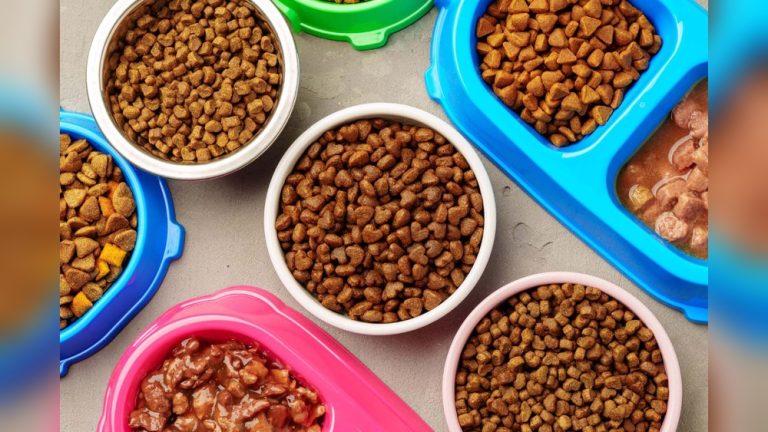
Different treats work for different dogs. Some dogs prefer soft treats. Others like crunchy ones. Finding the right treat is key.
Always choose healthy treats. Look for treats with natural ingredients. Avoid treats that have too much sugar or fat.
Choosing The Right Treats
Choose the right size and texture for your dog’s treats. Small treats are great for training. They are easy to chew. Soft treats are good for dogs with dental issues. Hard treats can help clean teeth.
Look for treats with high nutritional value. Treats should have good ingredients. They need protein and healthy fats. Avoid treats with too much sugar or filler ingredients. Check the label for nutrients.
Find allergy-friendly options for dogs with food sensitivities. Some dogs cannot eat wheat or corn. Look for grain-free treats. Treats with single protein sources are also helpful. Always read the ingredient list carefully.
Homemade Vs Store-bought Treats
Homemade treats offer many benefits. They are often healthier. You know exactly what is in them. This can help avoid allergies. Making treats can be fun. You can choose flavors your dog loves.
On the other hand, store-bought options provide great convenience. They save time and effort. You can find many types in stores. This makes it easy to find something your dog enjoys. They are also easy to carry on walks or trips.
Using Treats Effectively
Timing is very important when using treats. Give a treat right after your dog follows a command. This helps your dog understand what they did right.
Be consistent with commands. Use the same word for each action. This makes learning easier for your dog. Pair the command with the treat every time.
As your dog learns, start to use fewer treats. This is called the gradual reduction of treats. Give treats less often, but still praise your dog. This helps them stay motivated.
Training Treats For Puppies
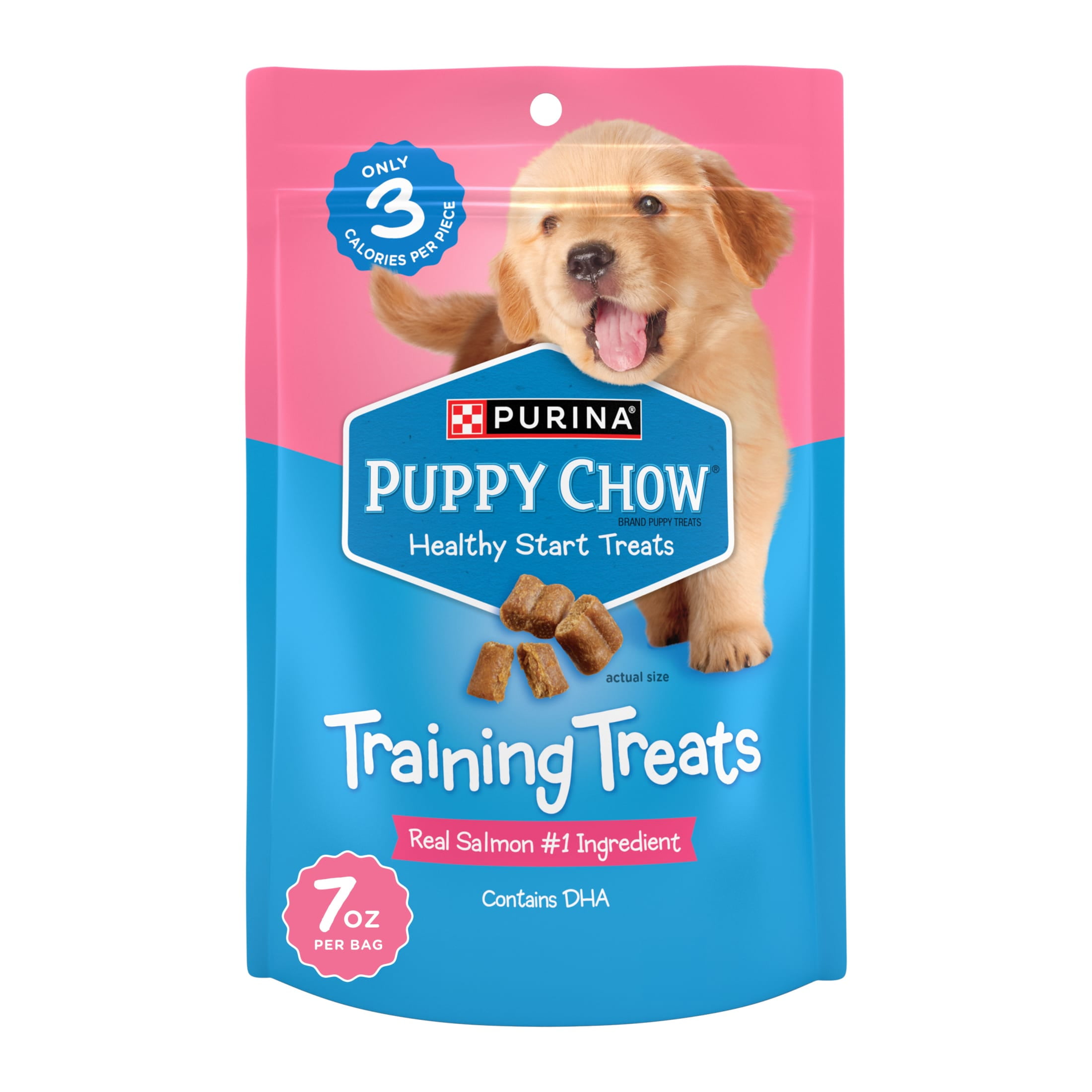
Soft treats are great for puppies. They are easy to chew. Choose small pieces. This makes training fun and quick.
Introduce treats slowly. Start with a few during training. This helps them learn commands. Use treats as a reward. Puppies like to please their owners.
Some good options for soft treats include:
- Chicken-flavored soft bites
- Liver treats
- Peanut butter squares
- Chewy training sticks
Always check the ingredients. Avoid treats with too many additives. Choose healthy options that support puppy growth.

Credit: www.amazon.com
Avoiding Common Mistakes
Using treats can help train your dog. But be careful. Overfeeding can lead to health problems. Dogs can gain too much weight. This makes them less active.
Using treats as bribes can also cause issues. Dogs may learn to expect food for good behavior. This can make training harder in the future.
Instead, use treats wisely. Offer small pieces to reward good actions. This keeps your dog happy and healthy.
Enhancing Bonding Through Treats
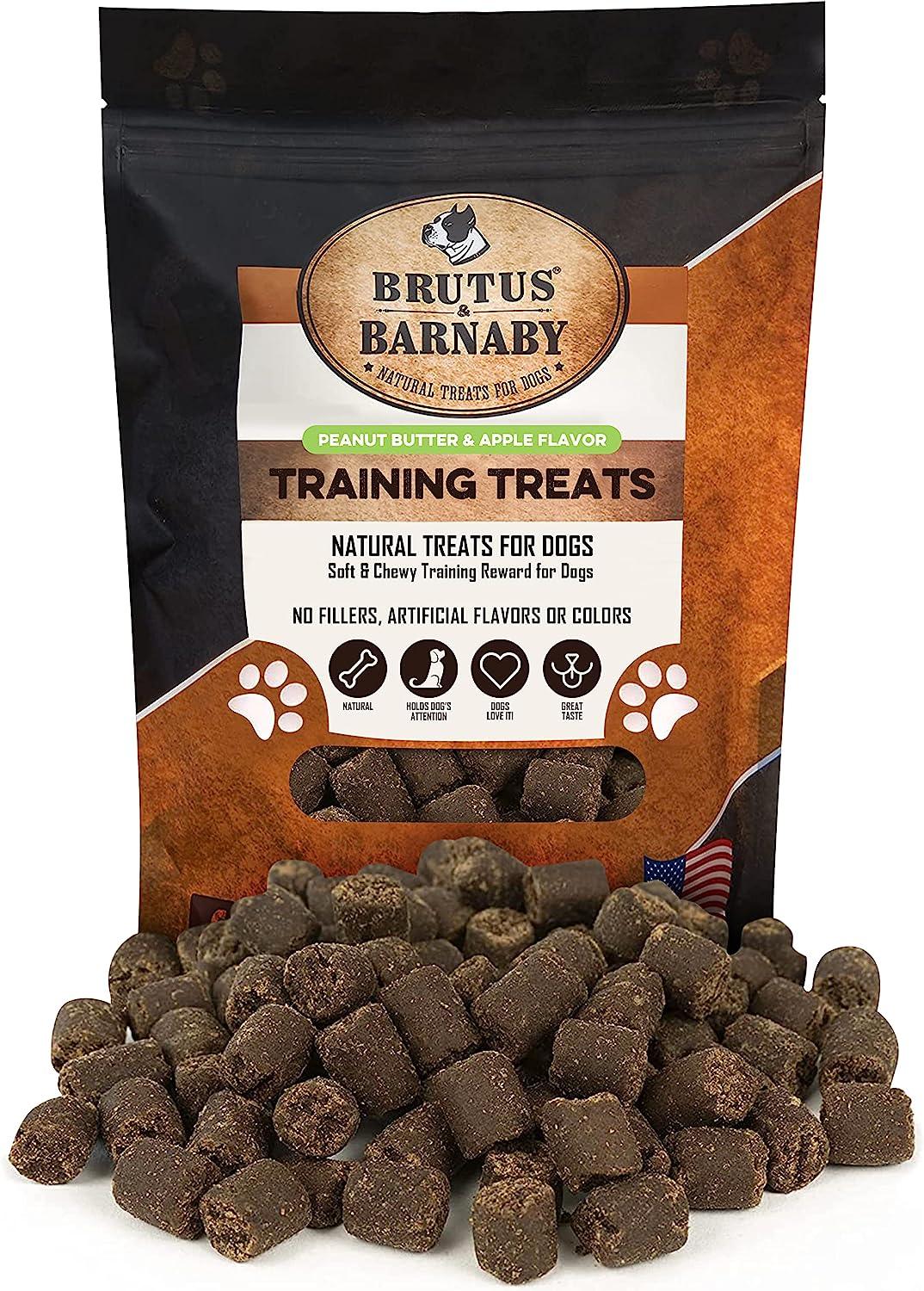
Building trust with your dog is very important. Treats help create a strong bond. They show your dog that you care. Using positive reinforcement is an effective method. Reward your dog for good behavior. This makes them want to listen more.
Choose healthy treats. Small pieces work best. They are easy to give during training. Always praise your dog when they do well. This helps them feel happy and secure. Trust grows with each good experience.
Consistency is key. Use treats every time your dog follows a command. It builds a routine. Your dog will learn faster. Over time, they will trust you more. Enjoy the journey together!
Credit: brutusandbarnaby.com
Rotating Treats For Better Results
Dogs love treats, but they can get bored. Rotating treats can keep them excited. Changing flavors helps keep their interest high.
Try different types of treats. Use soft ones, crunchy ones, or chewy ones. Mixing them up makes training fun.
Introducing new flavors is important. Dogs enjoy new tastes and scents. This can help them stay focused during training.
Consider these ideas:
- Choose treats with different textures.
- Offer treats with unique flavors.
- Include homemade options for variety.
Credit: www.walmart.com
Frequently Asked Questions
What Are The Best Treats For Dog Training?
The best treats for dog training are small, soft, and high-value options. Look for treats that your dog loves, which can include freeze-dried meats, cheese, or commercial training treats. Ensure they are low in calories to avoid overfeeding. Variety can keep your dog engaged during training sessions.
How Often Should I Give Treats During Training?
It’s essential to give treats frequently during training, especially for beginner commands. Initially, reward your dog every time they perform the desired behavior. As they learn, gradually reduce the frequency of treats. This method reinforces good behavior while encouraging your dog to remain attentive without overindulging.
Can I Use Homemade Treats For Training?
Absolutely! Homemade treats can be a healthy, cost-effective option for dog training. Use simple ingredients like chicken, sweet potatoes, or peanut butter. Ensure the treats are small and easy to chew. This allows for quick rewards during training, keeping your dog motivated and excited.
Are Training Treats Different From Regular Dog Treats?
Yes, training treats are specifically designed for motivation and reinforcement. They are typically smaller, softer, and more palatable than regular treats. The goal is to keep the dog engaged without overloading on calories. Regular treats may be larger and less appealing for quick rewards during training.
Conclusion
Choosing the right dog training treats is important. They help your dog learn and stay motivated. Focus on treats that are tasty and healthy. Small pieces work best for quick rewards. Remember to use treats in moderation to keep your dog healthy.
Training takes time and patience. Celebrate small successes along the way. Enjoy the bonding time with your furry friend. Happy training!