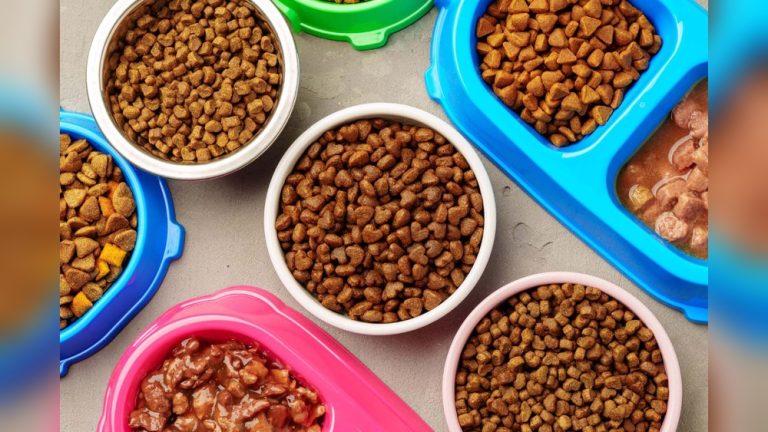
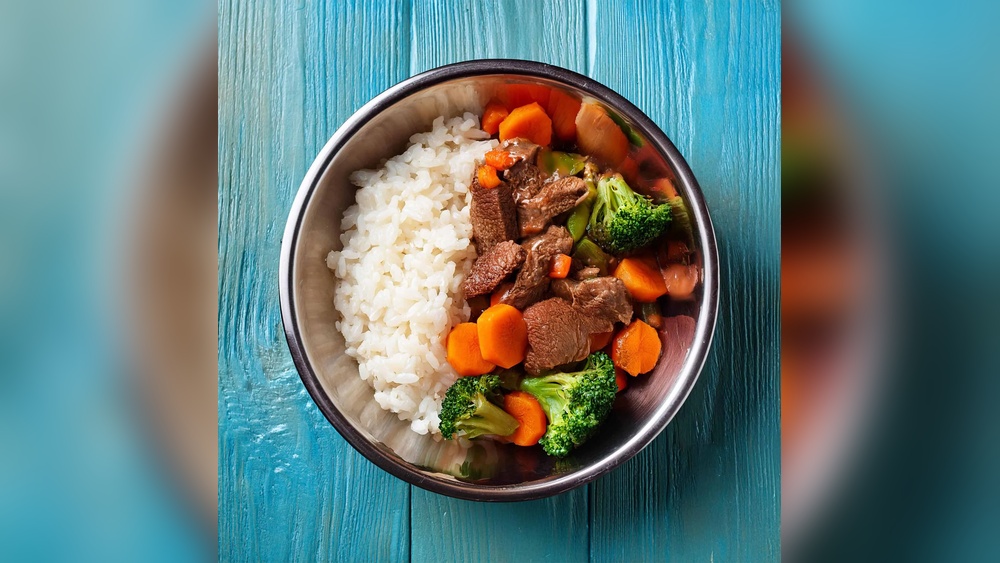
Are you looking for the best way to nourish your furry friend? Fresh pet dog food might be the answer you’ve been searching for.
Imagine serving your dog meals that are not only delicious but also packed with the nutrients they need to thrive. Fresh dog food can transform your pet’s health, energy levels, and overall happiness. We’ll dive into the benefits of fresh pet dog food, how it compares to traditional options, and tips on how to choose the right food for your beloved companion.
You’ll discover why more pet owners are making the switch and how it can make a real difference in your dog’s life. Keep reading to find out how you can give your dog the gift of fresh, wholesome food!
Benefits Of Fresh Pet Dog Food
Choosing the right food for your dog can be a game changer. Fresh pet dog food offers a variety of benefits that can significantly enhance your furry friend’s health and happiness. Let’s take a closer look at why making the switch to fresh food can be one of the best decisions for your pet.
Improved Nutritional Value
Fresh pet dog food is packed with essential nutrients. Unlike processed kibble, it contains whole ingredients that provide vitamins and minerals in their natural form. Your dog can receive better nutrition, leading to overall health improvements.
Many dog owners report a noticeable difference in their pets after switching to fresh food. You might see better weight management and reduced vet visits. Isn’t it comforting to know that you’re giving your dog the best possible diet?
Better Digestion And Gut Health
Fresh food can greatly enhance your dog’s digestive health. It includes natural fibers that promote healthy gut bacteria and improve digestion. As a result, your dog may experience fewer stomach issues and softer, more consistent stools.
When I switched my dog to fresh food, the change was remarkable. No more upset stomachs or bloating! Could better digestion lead to a happier dog?
Healthier Skin And Coat
Another significant benefit of fresh pet dog food is healthier skin and coat. Fresh ingredients provide omega fatty acids that nourish your dog’s skin. This can lead to a shinier coat and less itching.
After a few weeks on fresh food, I noticed my dog’s coat was gleaming. The scratching and dry patches disappeared, making my pup much more comfortable. Isn’t it amazing how food can affect your dog’s appearance?
Increased Energy Levels
Feeding your dog fresh food can also boost their energy levels. With high-quality ingredients, your dog receives the fuel they need for playtime and walks. You may find your dog more active and playful than ever before.
When I switched to fresh food, my dog transformed into a bundle of energy. We could play longer and enjoy our walks more. Wouldn’t you love to see your dog more lively and energetic?
Switching to fresh pet dog food is not just a trend; it’s a beneficial choice for your dog’s health. Have you considered how the food you provide affects your dog’s happiness and well-being?
Key Ingredients In Fresh Dog Food
Fresh dog food offers many benefits. High-quality ingredients make a big difference. Let’s explore the key ingredients that help keep your dog healthy.
Whole Proteins For Muscle Development
Whole proteins are essential for your dog’s growth. They help build strong muscles. Look for ingredients like chicken, beef, or fish. These proteins provide necessary amino acids. Healthy muscles mean an active and energetic dog.
Fresh Fruits And Vegetables For Vitamins
Fruits and vegetables add vital vitamins. They boost your dog’s immune system. Ingredients like carrots, blueberries, and spinach are great choices. These foods support digestion and overall health. They also add natural flavor that dogs love.
Healthy Fats For Energy And Coat Care
Healthy fats are important for energy. They also keep your dog’s coat shiny. Look for sources like fish oil or flaxseed. These fats support brain health and joint function. A well-nourished dog feels happy and active.
Avoiding Artificial Additives
Fresh dog food should avoid artificial additives. Many commercial foods contain preservatives and fillers. These can harm your dog’s health over time. Choose fresh options with natural ingredients. Your dog deserves the best nutrition possible.
How Fresh Dog Food Is Made
Fresh pet dog food is made using high-quality ingredients. Meat, vegetables, and grains are carefully cooked to keep nutrients intact. Each batch is prepared with love, ensuring your dog enjoys healthy and tasty meals.
Understanding how fresh dog food is made can enhance your appreciation for what goes into your pup’s bowl. Fresh pet dog food is not just a trend; it is a commitment to quality and nutrition. Let’s dive into the crucial steps involved in crafting this wholesome food, ensuring your furry friend enjoys every bite.Sourcing High-quality Ingredients
Fresh dog food starts with the best ingredients. Suppliers focus on sourcing fresh, whole foods like high-quality meats, vegetables, and grains. These ingredients are often locally sourced to ensure they are as fresh as possible. When you feed your dog fresh food, you can feel confident knowing exactly what they are consuming. Do you ever wonder about the journey of that chicken or sweet potato? Knowing the source adds peace of mind.Cooking In Small Batches
Cooking fresh dog food in small batches is key to maintaining quality. This method allows manufacturers to carefully monitor every step, ensuring the food is cooked properly without losing essential nutrients. With small batches, freshness is prioritized, and you can trust that your dog is getting a meal made with care. Imagine the difference between a mass-produced meal and one made with attention to detail. It’s significant.Maintaining Nutritional Integrity
Keeping the nutritional integrity of fresh dog food is a top priority. After sourcing ingredients and cooking, the focus shifts to preserving vitamins and minerals. Many brands use gentle cooking methods like steaming, which retains more nutrients compared to traditional methods. Your dog deserves the best nutrition, and fresh food delivers just that. Have you noticed changes in your dog’s energy levels when switching to fresh food?Packaging For Freshness
How fresh dog food is packaged plays a crucial role in maintaining its quality. Many brands use vacuum-sealed packaging to lock in freshness and flavor. This method not only prevents spoilage but also makes it easy for you to store and serve the food. When you open a bag of fresh dog food, the aroma speaks volumes about its quality. Have you ever opened a bag of kibble and noticed how different it smells compared to fresh food? The difference is clear and impactful. In choosing fresh dog food, you are making a choice for better health and happiness for your furry friend.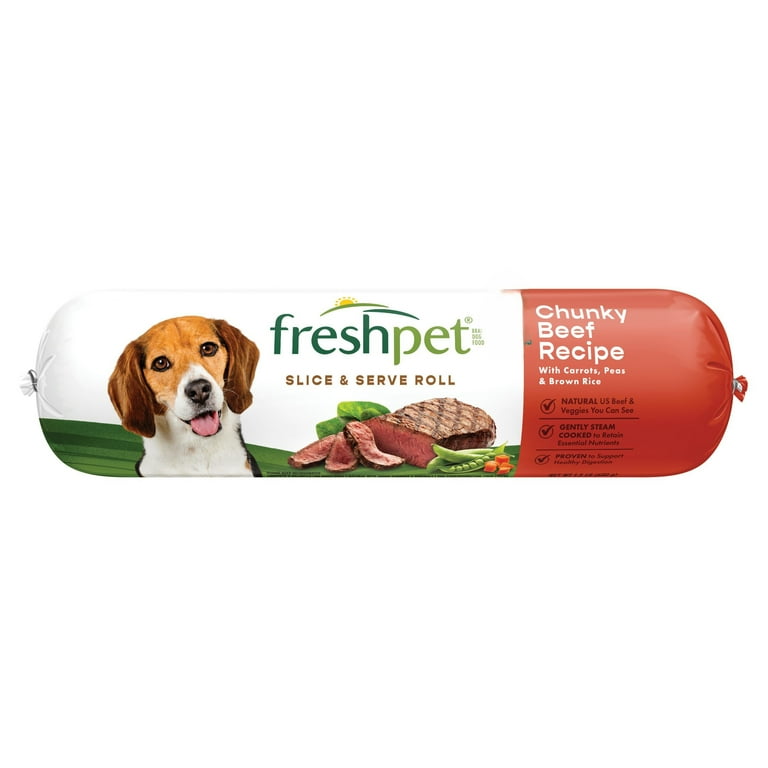
Credit: www.walmart.com
Comparing Fresh Dog Food To Kibble
Fresh dog food offers natural ingredients and fewer preservatives compared to kibble. Many pet owners find that fresh meals improve their dog’s health and energy. Choosing between these options can affect your dog’s diet and well-being.
Comparing Fresh Dog Food to Kibble The debate between fresh dog food and kibble is one that every dog owner faces. With an increasing number of options available, it’s essential to understand how these two types of dog food stack up against each other. What’s best for your furry friend? Let’s break it down.Nutritional Differences
Fresh dog food is often marketed as a healthier alternative to kibble. It typically contains whole ingredients like meats, vegetables, and grains, which can offer better nutrition. Kibble, on the other hand, is usually processed and may contain preservatives. Many brands add fillers, which can dilute the nutritional value. Your dog needs a balanced diet. Fresh dog food can provide that balance more naturally than kibble.Impact On Long-term Health
Choosing fresh dog food can have lasting effects on your pet’s health. Dogs fed fresh diets often show improved energy levels and healthier coats. Kibble may lead to obesity and other health issues over time, especially if it’s high in carbohydrates. Regularly evaluating your dog’s weight and health can help you make informed decisions. Think about your dog’s future. What kind of lifestyle do you envision for them?Taste And Palatability
Have you ever noticed your dog turning its nose up at kibble? Many dogs prefer the taste and aroma of fresh food. Fresh meals can stimulate your dog’s appetite, making mealtime more enjoyable. If your dog is picky, fresh food might be the key to getting them to eat. You could even try mixing a little fresh food with kibble to see what they like best.Cost Considerations
Cost is a significant factor when choosing between fresh food and kibble. Fresh dog food can be more expensive, but consider it an investment in your dog’s health. Kibble tends to be more budget-friendly, but the long-term health costs could add up. Vet bills from diet-related issues may outweigh initial savings. Evaluate your budget and your dog’s needs. Is the extra cost of fresh food worth it for your pet’s health?Choosing The Right Fresh Dog Food
Choosing the right fresh dog food is important for your pet’s health. Fresh food can provide better nutrition than dry kibble. However, not all brands are the same. Understanding what to look for helps ensure you make the best choice.
Evaluating Brands And Labels
Start by checking the ingredients list. Look for whole foods like meat, vegetables, and grains. Avoid foods with fillers or artificial ingredients. A good brand should use fresh, high-quality ingredients.
Check for certifications. Look for brands that meet safety standards. Research the company’s reputation. Read reviews from other dog owners. Their experiences can guide you in your choice.
Considering Your Dog’s Specific Needs
Every dog is unique. Age, size, and health issues matter. Puppies need different nutrients than older dogs. Large breeds may require specific diets to avoid joint problems.
Allergies are also a concern. If your dog has food allergies, read labels carefully. Choose a food that avoids known allergens. Talk to your vet about any special dietary needs.
Transitioning To A New Diet
Switching dog food should be gradual. Start by mixing old food with new food. Slowly increase the amount of new food over a week. This helps avoid stomach upset.
Observe your dog during the transition. Look for any signs of discomfort. If you notice any issues, slow down the process. Each dog adjusts at their own pace.
Consulting With A Veterinarian
Always consult your veterinarian before changing your dog’s diet. They can provide valuable advice tailored to your pet’s needs. A vet can recommend specific brands and ingredients.
Regular check-ups can help monitor your dog’s health. If any issues arise, your vet can suggest adjustments. Their guidance ensures your dog stays healthy and happy.

Credit: www.amazon.com
Storing And Serving Fresh Dog Food
Fresh pet dog food needs careful storage for maximum freshness. Keep it in the refrigerator or a cool place. Serve it in clean bowls to ensure your dog enjoys every bite. This way, your furry friend stays healthy and happy.
Storing and serving fresh dog food is crucial for your pet’s health and happiness. Proper handling ensures that your furry friend receives a nutritious meal while avoiding any health risks. Here’s what you need to know about storing and serving fresh dog food effectively.Proper Refrigeration Techniques
Storing fresh dog food in the refrigerator is essential. Always keep it in an airtight container to maintain freshness. This prevents exposure to air, which can lead to spoilage. Make sure your refrigerator is set to a temperature below 40°F (4°C). Check regularly to ensure it stays cool enough to keep food safe. If you notice any temperature fluctuations, it might be time to check your appliance. Consider portioning out the food into daily servings. This not only makes it easier to serve but also helps maintain the food’s quality over time.Serving The Right Portion Sizes
Understanding your dog’s portion sizes is vital for their health. Overfeeding can lead to obesity, while underfeeding might not provide adequate nutrition. Always refer to the feeding guidelines provided by the dog food manufacturer. Measuring your dog’s food can take a few extra minutes, but it’s worth it. Use a measuring cup or a kitchen scale for accuracy. This practice ensures that your dog gets the right amount every time. Have you noticed changes in your dog’s weight or energy levels? Adjust portion sizes accordingly, and consult your vet if you have concerns.Keeping Food Safe From Contamination
Preventing contamination is key when handling fresh dog food. Always wash your hands before and after feeding your pet. This simple step can reduce the risk of transferring bacteria. Use clean utensils when scooping food from containers. Avoid using utensils that have touched other foods. Cross-contamination can lead to serious health issues for your dog. Store any uneaten food immediately. Leaving it out can attract bacteria and pests, putting your dog’s health at risk.Knowing Shelf Life And Expiration
Fresh dog food has a limited shelf life. Always check the expiration date on the packaging before feeding. Consuming expired food can lead to digestive problems for your pet. Generally, fresh dog food should be consumed within a few days after opening. If you’re unsure about how long it’s been in the fridge, it’s better to err on the side of caution. Keep an eye out for changes in smell, texture, or color. If something seems off, don’t hesitate to discard the food. It’s better to waste a little than to risk your dog’s health. Taking these steps not only keeps your dog healthy but also makes mealtime a pleasant experience. How do you ensure your dog’s food stays fresh?Common Myths About Fresh Dog Food
Many believe fresh dog food is too expensive or hard to prepare. Some think it lacks nutrients compared to kibble. These myths can prevent pet owners from choosing healthier options for their dogs. Understanding the truth can help improve your dog’s diet.
Fresh dog food is becoming increasingly popular among pet owners. However, several myths surround its use, which can deter you from making the switch. Let’s address some of these common misconceptions to help you make informed decisions about your furry friend’s diet.Addressing Concerns About Raw Ingredients
Many people worry about raw ingredients in fresh dog food. The fear often stems from safety concerns. However, reputable brands follow strict guidelines to ensure their raw ingredients are safe and nutritious. Raw meat can be risky if mishandled. Yet, when sourced from trusted suppliers, it can provide essential nutrients that processed foods may lack. Always look for brands that practice transparency in their sourcing and preparation methods.Clarifying Cost Misconceptions
Cost is another significant concern for dog owners. Some believe fresh dog food is prohibitively expensive. While it may seem pricier upfront, consider the long-term benefits. Investing in high-quality food can lead to fewer vet visits. Healthier dogs often require less medical attention. Plus, you might save money on treats and supplements if your dog gets all the nutrients they need from fresh food.Debunking Nutritional Myths
A common myth is that fresh dog food lacks balanced nutrition. This is far from the truth. Many fresh dog food brands are formulated by veterinarians and pet nutritionists. These recipes provide the right balance of proteins, fats, and carbohydrates. They also include essential vitamins and minerals. Always check the nutritional information to ensure it meets your dog’s specific needs.Understanding The Transition Period
Transitioning to fresh dog food can be daunting. Many worry about their dog’s digestive response. Start slowly by mixing fresh food with your dog’s current food. This gradual approach helps your dog adjust. Monitor their response and make changes based on their comfort. Have you noticed any signs of discomfort in your dog during dietary changes? Adjustments can make all the difference in their experience. Clearing up these myths can help you confidently choose fresh dog food. Understanding its benefits and addressing concerns can lead to a healthier, happier dog.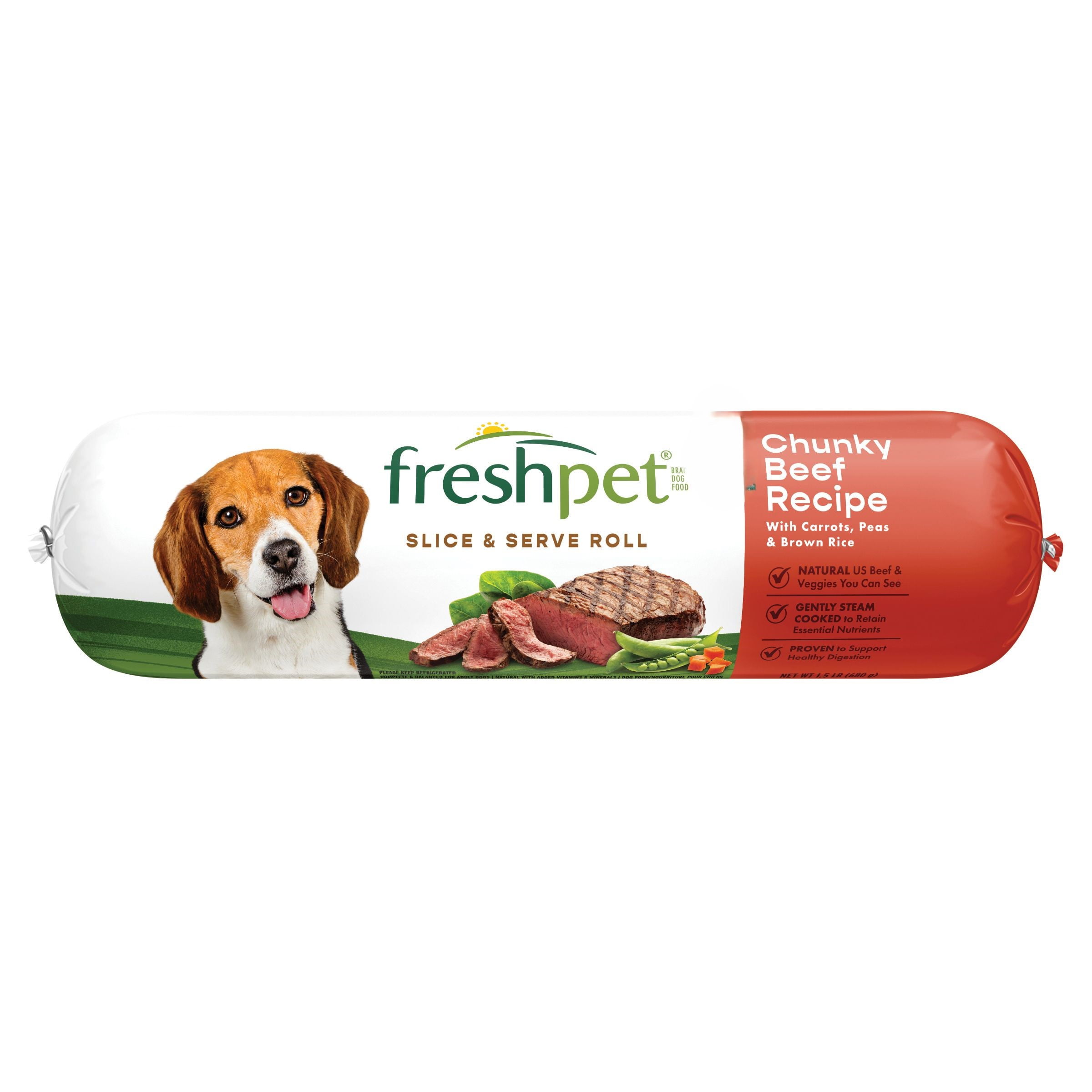
Credit: www.walmart.com
Frequently Asked Questions
What Are The Benefits Of Fresh Pet Dog Food?
Fresh pet dog food offers numerous benefits. It contains higher nutritional value compared to processed options. Fresh ingredients promote better digestion and overall health. Additionally, these meals can be tailored to meet specific dietary needs. Overall, fresh food can enhance your dog’s vitality and well-being.
How To Choose The Best Fresh Dog Food?
Choosing the best fresh dog food involves several factors. Look for high-quality ingredients sourced from reputable suppliers. Ensure the food meets your dog’s specific dietary requirements. Consult with your veterinarian for personalized recommendations. Lastly, consider your dog’s taste preferences to ensure they enjoy their meals.
Is Fresh Dog Food Safe For My Pet?
Yes, fresh dog food is safe when prepared correctly. Ensure the food is made from human-grade ingredients and follows safety regulations. Proper storage and handling are crucial to prevent contamination. Always consult your veterinarian if you have concerns about specific ingredients or dietary restrictions.
How Often Should I Feed My Dog Fresh Food?
Feeding frequency depends on your dog’s age, size, and activity level. Most adult dogs thrive on two meals per day. Puppies may require more frequent feeding, typically three to four times daily. Monitor your dog’s weight and adjust portions as needed for optimal health.
Conclusion
Choosing fresh pet dog food benefits your dog’s health. It offers better nutrition and taste. Dogs enjoy real meat and veggies. Fresh food can improve their energy and mood. A balanced diet helps maintain a healthy weight. Many brands focus on quality ingredients.
Research options that fit your dog’s needs. Feeding fresh food is a step towards better care. Your furry friend deserves the best. Make informed choices and watch them thrive. Fresh food can lead to a happier, healthier life for your dog.