

Keeping your dog’s nails trimmed is essential for their health and happiness. A nail trimmer for dogs can make this task easy and stress-free for both you and your furry friend.
Have you ever struggled with your dog’s nails getting too long? It can be uncomfortable for them and even lead to injuries. But don’t worry; you’re not alone. Many pet owners face this challenge. You’ll discover why a good nail trimmer is a must-have tool for your pet grooming routine.
We’ll explore different types of nail trimmers, tips for using them effectively, and how to make the experience as pleasant as possible for your dog. By the end, you’ll feel confident in your ability to keep your dog’s nails in check, ensuring their comfort and well-being. Let’s dive in and make nail trimming a breeze!
Importance Of Trimming Dog Nails
Trimming your dog’s nails is very important. It helps to prevent pain and discomfort. Long nails can hurt your dog when they walk. This can cause them to change their walking style. A change in walking can lead to other health issues.
Keeping nails short also protects your home and furniture. Long nails can scratch floors and furniture. This can lead to costly damage over time. Regular trimming helps keep your home looking nice.
Healthy nails make for a happy dog. A happy dog is a joy to have. Make nail trimming a part of your dog’s care routine.
Types Of Dog Nail Trimmers
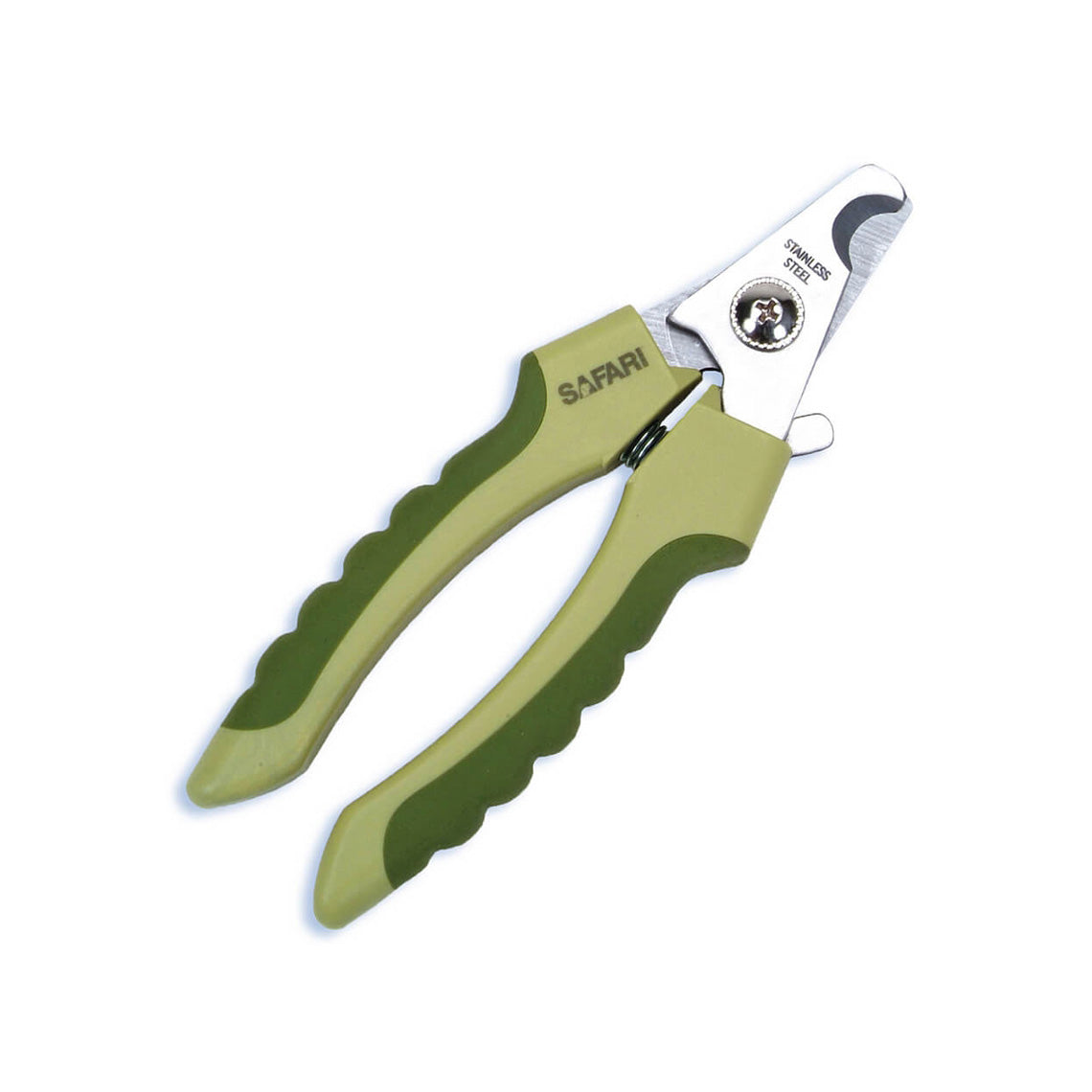
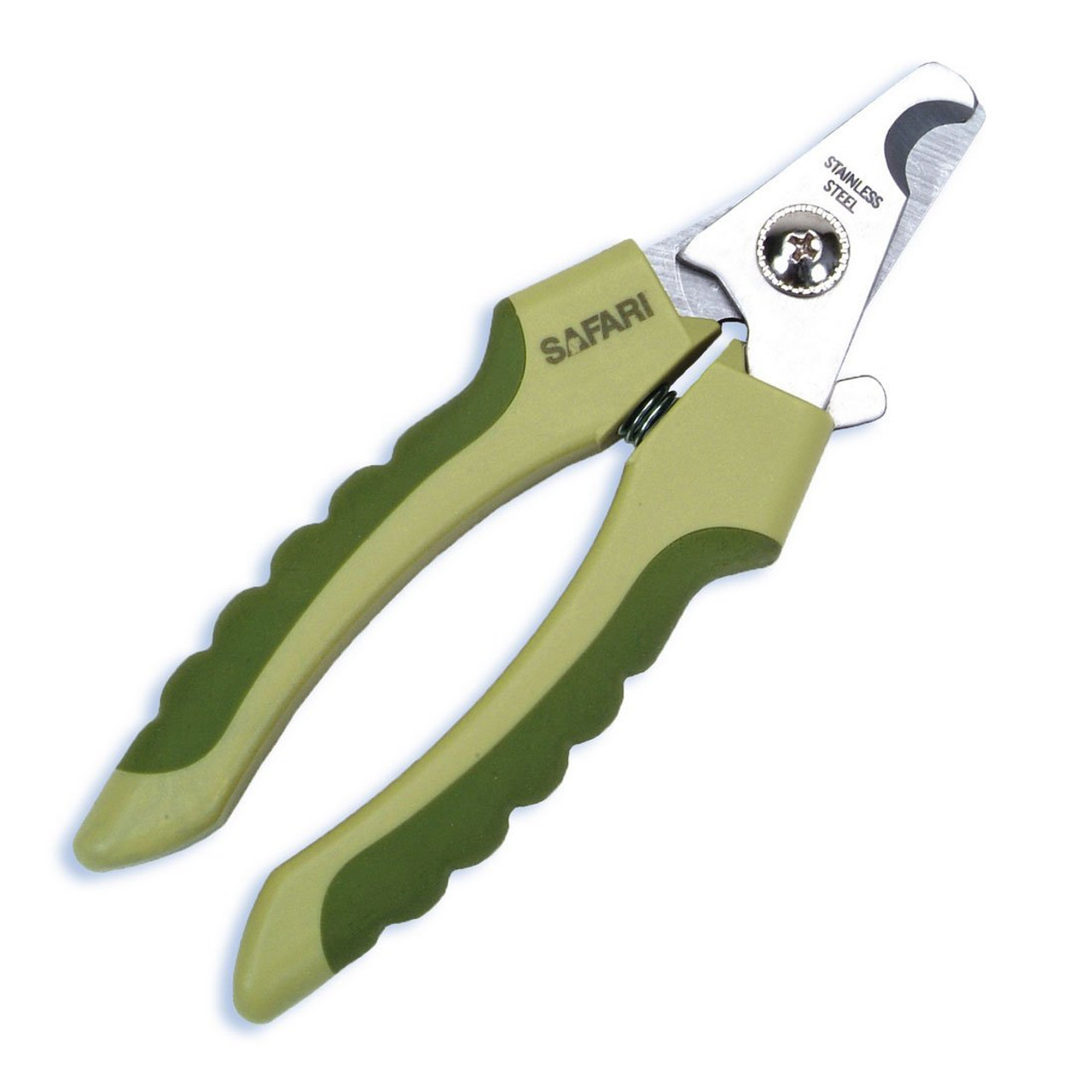
Guillotine-style trimmers are simple to use. They have a sharp blade. You put the nail in a slot and squeeze the handle. This cuts the nail quickly. They are good for small dogs.
Scissor-style trimmers look like scissors. They work well for medium to large dogs. You can control how much you cut. Be careful not to cut too much.
Grinders and electric tools use a rotating head. They smooth the nail edges. This helps prevent splitting. They can be noisy, so some dogs may be scared. Always introduce these tools slowly.
Choosing The Right Nail Trimmer
Choosing the right nail trimmer depends on your dog’s size and breed. Small dogs need smaller trimmers. Large dogs require bigger, stronger tools. Always check the trimmer’s size before buying.
Material and build quality matter a lot. Look for sturdy materials that last. Stainless steel is a good choice. A well-built trimmer feels safe and efficient.
Ease of use is key for a smooth experience. Choose a trimmer that fits comfortably in your hand. A non-slip grip helps you control it better. This makes trimming less stressful for both you and your dog.
Preparing Your Dog For Nail Trimming
Creating a calm environment is important for nail trimming. Find a quiet place. Reduce distractions. Use a soft mat for comfort. This helps your dog feel safe.
Introducing the trimmer gradually works well. Let your dog sniff it first. Make it a fun experience. Show them it is not scary.
Using treats for positive reinforcement is key. Reward your dog for good behavior. Give them a treat after each nail. This builds trust and makes trimming easier.
Step-by-step Nail Trimming Guide
Start by inspecting your dog’s nails. Look for any signs of damage. Check for the quick, the pink part inside the nail. Avoid cutting this part to prevent bleeding.
To find the quick, hold the paw gently. Look closely at the nail. The quick is where the nail is pink. Be careful not to cut too deep.
Use safe trimming techniques. Choose the right nail trimmer for your dog. Cut small bits at a time. This will help avoid cutting the quick.
Keep your dog calm during the trim. Use treats as rewards. If bleeding occurs, stay calm. Apply a styptic powder to stop it.
Wrap the paw gently with a clean cloth. If bleeding continues, contact your vet. Safety is important for both you and your dog.
Credit: www.onlynaturalpet.com
Tips For Nervous Dogs
Using distractions can help calm your nervous dog. Try giving them treats during nail trimming. Play their favorite music or use toys to keep them focused. This takes their mind off the process.
Involving a professional groomer can be a good idea. They have experience with nervous dogs. A groomer can make the process less scary. They have special tools and techniques to help.
Desensitization techniques work well for anxious dogs. Start by touching their paws gently. Then, introduce the nail trimmer slowly. Reward them with treats and praise. Repeat this until they feel comfortable.
Maintaining A Regular Grooming Schedule
Regular grooming helps keep your dog healthy and happy. Trimming nails is a key part of this. Aim to trim nails every 3 to 4 weeks. This keeps them from getting too long.
Watch for signs that your dog needs a trim. If you hear nails clicking on the floor, it’s time. Also, check for nails that curl or touch the ground.
Combine nail care with other grooming tasks. Brush your dog’s fur while trimming nails. This makes grooming easier and more enjoyable for both of you.
Common Mistakes To Avoid
Cutting too close to the quick can hurt your dog. The quick is the pink part inside the nail. Avoid cutting this area to prevent bleeding and pain.
Rushing through the process can lead to mistakes. Take your time to ensure you are careful. Dogs may get anxious if you hurry. Stay calm and gentle.
Using the wrong tools can make trimming hard. A sharp and safe nail trimmer is best. Choose tools made for dogs. This helps to make the job easier and safer.
Benefits Of Professional Grooming Services
Professional grooming services offer many benefits. They help keep your dog clean and healthy. Experts know how to handle different dog breeds. They can check for skin issues or ear infections. Regular visits can prevent serious problems.
Seek expert help if your dog is anxious or aggressive. If you’re unsure how to trim nails, professionals can assist. Timing matters too. Long nails can cause pain and walking issues. Regular grooming helps maintain good hygiene.
Advantages over DIY grooming include safety and convenience. Professionals have the right tools. They can groom quickly and effectively. They also know what to do with difficult pets.
| Costs | Considerations |
|---|---|
| Prices vary by location. | Check reviews before choosing a service. |
| Some services offer packages. | Consider your dog’s specific needs. |

Credit: www.amazon.com
Faqs About Dog Nail Trimming
The ideal length for dog nails is just above the ground. When they walk, nails should not touch the floor. Keeping nails this short helps dogs walk better and stay healthy.
Many dogs dislike nail trimming. It can be scary for them. Try to make it a positive experience. Use treats and praise. Start slowly to help your dog feel comfortable.
Nail grinders and clippers both have advantages. Grinders can smooth the nail edges. They are quieter than clippers. But some dogs prefer clippers. Find what works best for your dog.
Credit: www.rayallen.com
Frequently Asked Questions
What Is The Best Nail Trimmer For Dogs?
The best nail trimmer for dogs varies by size and breed. For small dogs, a guillotine-style trimmer works well. Larger breeds may benefit from electric nail grinders. Always choose a tool that feels comfortable in your hand and suits your dog’s nail thickness.
How Often Should I Trim My Dog’s Nails?
You should trim your dog’s nails every 3 to 4 weeks. This frequency helps prevent overgrowth and discomfort. Puppies may need more frequent trims as they grow. Regular trimming also promotes healthy paws and reduces the risk of injury.
Can I Use Human Nail Clippers On My Dog?
Using human nail clippers on dogs is not recommended. Human clippers may not effectively handle a dog’s thicker nails. They can cause splitting and discomfort. Always opt for clippers specifically designed for canine use for safety and effectiveness.
What Happens If I Don’t Trim My Dog’s Nails?
Neglecting to trim your dog’s nails can lead to several issues. Overgrown nails can cause pain, difficulty walking, and even joint problems. They may also break or splinter, leading to infections. Regular nail care is essential for your dog’s overall health and comfort.
Conclusion
Choosing the right nail trimmer for your dog is important. A good trimmer makes nail care easy and stress-free. Regular nail trimming keeps your dog healthy and happy. Remember to introduce the trimmer slowly to your pet. Take your time and be gentle during the process.
A calm environment helps your dog feel safe. With patience and practice, you will both get used to it. Happy trimming! Your dog’s paws will thank you.